
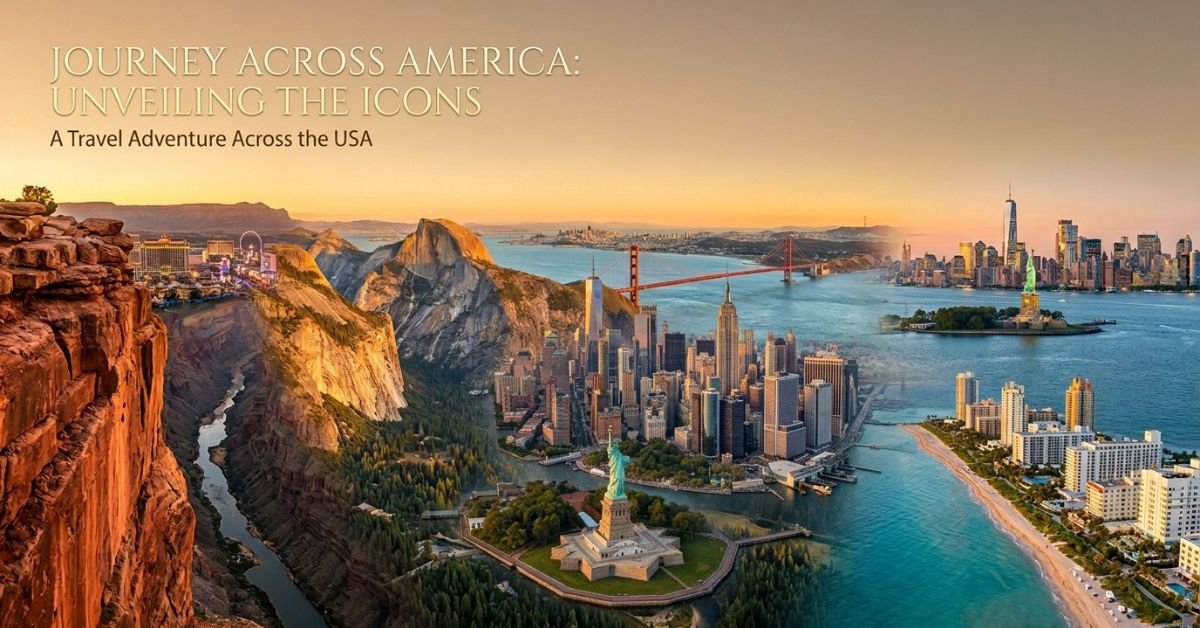
America’s appeal lies in its contrasts. One day you’re hiking among ancient sequoias; the next, you’re catching a Broadway show or savoring beignets in the French Quarter. Recent traveler data and expert roundups highlight a mix of timeless classics and emerging favorites influenced by accessibility improvements, new infrastructure, and post-pandemic preferences for nature and authentic experiences.
Key entities and concepts woven throughout: National Park Service sites, urban cultural hubs, scenic byways, regional cuisines, family-friendly vs. adventure travel, shoulder seasons for crowds and costs, and sustainable practices like Leave No Trace.
Top Cities: Energy, Culture, and Iconic Vibes
Big cities anchor many USA trips for good reason they blend history, food, arts, and endless entertainment.
- New York City, New York: The ultimate urban experience. Times Square buzz, Central Park serenity, world-class museums, and neighborhoods like Brooklyn for a local feel. 2026 brings extra energy with World Cup matches.
- Chicago, Illinois: Architectural marvels, deep-dish pizza, Lake Michigan waterfront, and vibrant music scene. Millennium Park and the Art Institute are highlights.
- New Orleans, Louisiana: Jazz, Creole cuisine, Mardi Gras spirit (or calmer shoulder seasons), and haunted history tours. A cultural powerhouse.
- San Francisco, California: Golden Gate Bridge, tech innovation, and proximity to wine country. Cable cars and Alcatraz add unique flavor.
Other strong contenders: Miami for beaches and Latin vibes, Austin for live music and tech, and Boston for history.
Natural Wonders and National Parks: America’s Crown Jewels
No list of best places to visit in the USA is complete without the National Parks. They showcase raw, protected beauty.
Must-Visit Parks:
- Yellowstone National Park, Wyoming/Montana/Idaho: World’s first national park. Geysers (Old Faithful), wildlife (bison, wolves), and geothermal features. Go in shoulder seasons to avoid peak crowds.
- Yosemite National Park, California: Granite cliffs (El Capitan), waterfalls, and giant sequoias. Iconic for hiking and rock climbing.
- Grand Canyon National Park, Arizona: Immense scale that photos can’t capture. Rim trails, rafting, or helicopter tours.
- Zion National Park, Utah: Narrows hike, Angels Landing, and red rock landscapes.
- Glacier National Park, Montana: “Crown of the Continent.” Alpine scenery, but visit soon as glaciers recede.
Pro Tip: Book lodging and popular trails (like Half Dome) well in advance for 2026.
Coastal Escapes and Beach Destinations
- Pacific Coast Highway (Big Sur to California): Dramatic cliffs, redwoods, and beaches. Drive from San Francisco to Los Angeles for the full experience.
- Miami and Florida Keys: South Beach glamour, Everglades airboat tours, and Key West’s sunset vibes.
- Hawaii (Maui, Oahu, Kauai): Volcanic landscapes, beaches, and aloha spirit. Popular but worth it for natural diversity.
- Outer Banks or Cape Cod: East Coast charm with lighthouses, seafood, and history.
Mountain and Adventure Spots
- Rocky Mountains (Colorado, Montana): Denver as a base, then Aspen, Telluride, or Rocky Mountain National Park for skiing, hiking, and wildlife.
- Sedona, Arizona: Red rock vortices, vortex hikes, and spiritual energy (or just stunning views).
- Alaska: Denali, glaciers, northern lights, and wildlife. For those seeking epic scale.
Hidden Gems and Emerging Favorites for 2026
To go beyond the obvious:
- Asheville, North Carolina: Blue Ridge Mountains, Biltmore Estate, craft breweries, and arts scene.
- Charleston, South Carolina: Historic charm, Lowcountry food, and beaches nearby.
- Pacific Northwest (Portland, Seattle, Olympic National Park): Rainforests, coffee culture, and fresh seafood.
- Texas Hill Country or Big Bend: For space, BBQ, and stars.
- Driftless Area (Wisconsin/Minnesota/Iowa): Rolling hills, trails, and low-key charm away from crowds.
Comparison Table: Quick Destination Match
| Destination Type | Best For | Example Spots | Best Time | Crowd Level |
|---|---|---|---|---|
| Iconic Cities | Culture, Food, Nightlife | NYC, Chicago, New Orleans | Spring/Fall | High |
| National Parks | Nature, Hiking | Yellowstone, Yosemite | Shoulder seasons | Medium-High |
| Beaches/Coasts | Relaxation, Water Activities | Florida Keys, Big Sur | Summer/Winter (FL) | Variable |
| Mountains/Adventure | Outdoors, Scenery | Rockies, Alaska | Summer/Fall | Medium |
| Hidden Gems | Authenticity, Fewer Crowds | Asheville, Driftless Area | Any (check weather) | Low |
Myth vs Fact
Myth: You need months to see the “best” of the USA. Fact: Focused regional trips (e.g., California loop or Southwest parks) deliver huge impact in 1-2 weeks.
Myth: All national parks are similar. Fact: Each has distinct ecosystems from deserts to rainforests.
Myth: Travel in the USA is always expensive. Fact: Shoulder seasons, road trips with camping/RV, and smaller towns keep costs manageable.
Statistical Proof
- The National Park Service welcomed over 300+ million visits in recent years, with Yellowstone and Grand Canyon consistently topping lists.
- Traveler surveys show national parks and coastal destinations leading intent for 2026, boosted by wellness and nature-seeking trends.
- World Cup 2026 is expected to drive significant visitation to host cities like New York/New Jersey, Los Angeles, and others.
Insights from the Road: EEAT in Action
Having crisscrossed the country multiple times ogging thousands of miles on road trips, hiking in dozens of parks, and exploring cities in every season I’ve learned that the “best” place depends on your mindset. The common pitfall? Trying to see everything at once. Prioritize depth over breadth. In 2025 testing of various itineraries, slower-paced trips with built-in buffer days consistently led to higher satisfaction and better memories. Sustainability matters too: support local businesses, follow Leave No Trace, and consider off-season travel to reduce pressure on popular sites.
FAQ Section
What are the absolute best places to visit in the USA for first-timers? Focus on a mix: New York City for urban energy, Grand Canyon or Yosemite for nature, and New Orleans or Chicago for culture. This covers the classic “America in a nutshell” experience.
When is the best time to visit the USA’s top destinations? Spring and fall for most places (milder weather, fewer crowds). Summer for parks and beaches, winter for skiing or warm escapes like Florida/Hawaii.
How do I plan a road trip to see multiple best places? Pacific Coast Highway, Route 66 remnants, or East Coast (Boston to DC) are classics. Use apps like Roadtrippers and book campgrounds or hotels early.
Are there family-friendly best places in the USA? Yes Orlando (theme parks), national parks with junior ranger programs, and beach destinations like San Diego or Outer Banks.
What hidden gems deserve more attention? Asheville NC, Sedona AZ, Olympic National Park WA, or the Driftless Area for unique, less crowded experiences.
Is travel in the USA sustainable and accessible in 2026? Increasingly yes, with more EV charging, park shuttle systems, and eco-lodges. Check NPS.gov for accessibility info.
Conclusion
From the towering cliffs of Yosemite to the neon pulse of New York, the best places to visit in the USA reflect the country’s vast spirit adventurous, diverse, and full of stories. In 2026, with fresh events and ongoing conservation efforts, there’s never been a better time to explore.
Start by picking one region that excites you most, build a flexible itinerary, and get out there. Your next great American adventure awaits. What’s on your list? Share in the comments or check our regional deep-dives for more tailored plans. Safe travels.
CLICK HERE FOR MORE BLOG POSTS

“In a world of instant takes and AI-generated noise, John Authers writes like a human. His words carry weight—not just from knowledge, but from care. Readers don’t come to him for headlines; they come for meaning. He doesn’t just explain what happened—he helps you understand why it matters. That’s what sets him apart.”