
Key Takeaways
- Save all court papers, settlement agreements, payment receipts, and dismissal notices.
- Confirm the final status of the lawsuit before assuming the matter is closed.
- Review your credit reports for inaccurate account, balance, or collection information.
- Dispute errors with the credit reporting company and provide supporting records when available.
- Pay current obligations on time and avoid taking on new debt you cannot comfortably repay.
- Rebuilding credit after a lawsuit often requires consistent, documented financial decisions.
Defending a debt lawsuit can be stressful, but the case outcome does not have to define your financial future. Whether the case was dismissed, settled, paid, or ended in a judgment, the next steps should focus on protecting your records, confirming what is being reported, and building healthier credit habits. A consumer debt attorney or a resource such as myaffordableattorney may help you understand the documents and deadlines that still apply in your situation.
Credit recovery is usually gradual. The most useful approach is to separate the court case from your credit file, carefully verify both, and make a realistic plan for your current bills. State laws, court procedures, settlement terms, and credit-reporting practices can differ, so keep local legal guidance in mind when deciding what to do next.
Confirm the Lawsuit Outcome
Start with the court record. A lawsuit may end through dismissal, settlement, a payment arrangement, a judgment, or another court order. Do not rely only on a phone call or a collection letter. Review the most recent court notice and confirm the case number, parties, outcome, and any remaining requirements. If you settled, read the agreement to see whether the plaintiff was required to dismiss the case after payment or file paperwork showing the obligation was satisfied.
Keep Complete Records
Create one file, digital or paper, for everything connected to the account. Include the summons, complaint, answer, court notices, correspondence, account statements, settlement documents, canceled checks, and payment confirmations. These records can be important if a collector reports an incorrect balance, attempts to collect after a settlement, or claims you missed a payment that you made.
Useful documents to retain
- A filed dismissal, judgment, or satisfaction document.
- A signed settlement agreement and proof of every payment.
- Emails or letters confirming the account’s final status.
- Your own timeline of service dates, filings, hearings, and payments.
Review Credit Reports
After the case is resolved, review each credit report for the original account and any collection accounts associated with it. Check the creditor name, account number, balance, payment status, dates, and whether the information matches your records. The Federal Trade Commission explains that responding to a collection lawsuit can require the collector to prove the debt, the amount claimed, and its legal right to sue, which is one reason accurate paperwork matters even after the case ends.
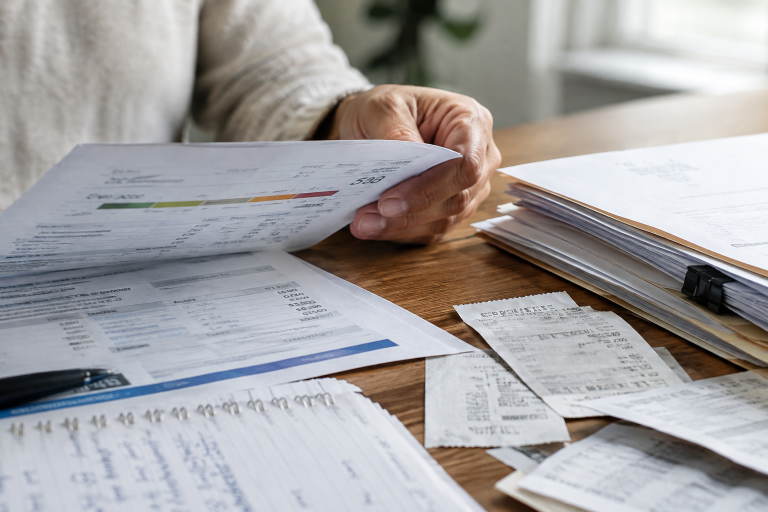
You can look for reporting that appears inconsistent, such as a balance that remains unpaid after a documented settlement, duplicate collection entries, or an account attributed to the wrong person. A negative item is not necessarily inaccurate simply because it is unfavorable, so focus disputes on information that is incomplete, incorrect, or cannot be supported by your records.
Correct Reporting Errors
If you find an error, dispute it with the credit reporting company that shows the information and identify the specific item you believe is wrong. Explain the correction you are requesting and include copies, not originals, of documents that support your position. You can also file a dispute with the company that provided the information. Keep copies of your dispute, attachments, mailing proof, and all responses.
Be precise. For example, state that a reported balance conflicts with a settlement agreement or that an account is not yours, then attach the relevant evidence. Avoid broad statements that do not identify the disputed information.
Understand Settlements and Judgments
A settlement does not automatically mean every credit entry disappears, and a judgment does not automatically prevent future credit improvement. What matters is whether the account status and balance are reported accurately, as well as the overall condition of your finances. If a judgment requires payments, treat those due dates seriously. Missing them can create further legal and financial problems under the terms of the court order or agreement.
Before making a payment on an old account or signing a new arrangement, review the written terms. The Consumer Financial Protection Bureau notes that responding to a lawsuit does not mean admitting the debt is valid, and a timely response can preserve the opportunity to challenge the claim or negotiate a resolution.
Stabilize Current Bills
Credit rebuilding begins with accounts that are open now. Make a list of housing, utilities, insurance, transportation, loan, and credit card obligations. Set up reminders or automatic payments only when your bank balance can support them. If making a payment may be difficult, contact the company before the due date and ask whether it offers a hardship option or a payment arrangement.
Build Credit Carefully
Use new credit cautiously. A secured card or other modest credit product may be appropriate for some people, but it should fit a workable budget and be paid as agreed. Keep balances manageable, avoid repeated credit applications, and do not use a new account to cover ordinary expenses without a clear repayment plan. Consistent on-time payments are generally more helpful than trying to rebuild quickly by taking on large amounts of debt.
Watch for Future Court Notices
Continue opening mail from the court, an attorney, or a collector. If the case was dismissed, keep the dismissal notice. If you received a judgment, learn whether the court requires additional action, such as responding to a payment request or attending a hearing. Never ignore a new summons or notice because you believe the earlier case was resolved.
Get Appropriate Help
Legal aid organizations, courthouse self-help centers, bar referral programs, and consumer attorneys may offer options for people who cannot afford full representation. When speaking with a lawyer, ask whether they can review a settlement, judgment, credit-report dispute, or court notice on a limited basis. Bring organized records so the person advising you can see the full history.
Final Checklist
- Confirm the case outcome through court documents.
- Save proof of dismissal, settlement, payment, or satisfaction.
- Review all credit reports for account and balance errors.
- Dispute inaccurate information with clear supporting documents.
- Make current bills a priority and pay them on time when possible.
- Use new credit only as part of a realistic repayment plan.
- Respond promptly to any future court or collection notice.
Rebuilding credit after defending a debt lawsuit takes patience, but it is manageable when you document the outcome, correct genuine reporting errors, and make steady progress with current obligations. A resolved lawsuit is an important milestone. The next goal is to ensure your records and credit file reflect the facts, and then create financial habits that strengthen your position over time.

MOBI ROLLER is a tech enthusiast with a background in technology. He writes about the latest trends, tools, and innovations in the tech world, sharing insights based on both knowledge and experience.