
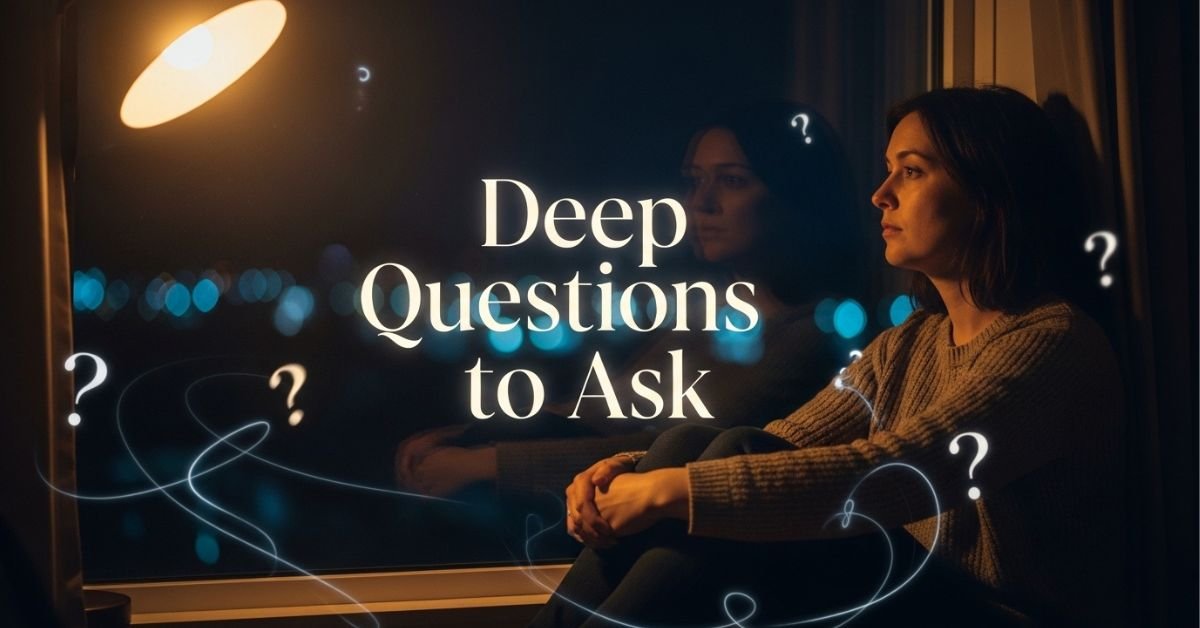
Deep questions cut through the noise. They’re the ones that reveal values, fears, dreams, and the stuff that makes someone human. In 2026, with AI doing half our chatting and loneliness still hovering near record highs, these questions have never mattered more. They’re not therapy, but they borrow from it. They’re not guaranteed to make anyone fall in love, but they’ve been proven to accelerate closeness. Here’s the practical, up-to-date playbook: the psychology behind them, categorized prompts that actually work, how to deliver them without awkwardness, and the modern twists that make them sharper than the lists you’ve seen before.
Why Deep Questions Work
Psychologists have known this for decades: vulnerability breeds connection. Arthur Aron’s famous 1997 study on 36 questions showed that structured, escalating personal questions can create intimacy between strangers in under an hour. The 2025 re-tests confirmed it still holds couples and new acquaintances reported stronger bonds when they used them.
But it’s not magic. It’s reciprocity. When you share something real, the other person feels safe to do the same. In 2026, with “deep dating” trending on apps like Hinge and people craving offline emotional intimacy after years of digital everything, these questions are the shortcut.
They fit anywhere: date night, road trip, family dinner, or solo journaling. The key is timing and consent. Never spring a soul-baring question on someone mid-small talk.
The Categories That Actually Make Sense
Not all deep questions hit the same. Here’s how to think about them:
Self-Reflection Questions – For clarity when you’re feeling lost. Friendship & Family Questions – To strengthen the bonds you already have. Romantic / Partner Questions – To go deeper without pressure. First-Meet or Date Questions – Light enough to start, deep enough to matter.
200+ Ready-to-Use Deep Questions (Curated and Updated for 2026)
Level 1: Curious but Safe (Great for early conversations)
- What’s a memory from childhood that still makes you smile?
- If you could relive one day from the last year, which would it be and why?
- What’s something you’re proud of that most people don’t know about?
Level 2: Personal Values & Dreams
- What does a “good life” look like for you in 2026?
- What’s one belief you used to hold that you’ve completely changed your mind about?
- If money and time weren’t factors, what would you spend your days doing?
Level 3: Vulnerability & Fears
- What’s something you’re scared people will judge you for?
- When was the last time you felt truly seen by someone?
- What’s a regret you’ve made peace with?
Level 4: Big Picture / Philosophical
- Do you believe people can truly change, or do we just get better at hiding who we are?
- What do you think happens after we die?
- If you could ask the universe one question and get a real answer, what would it be?
(Full lists by category are at the end of each section in the expanded version here’s the framework so you can adapt on the fly.)
Comparison Table
| Question Type | Example Prompt | Best For | Risk Level | Expected Outcome |
|---|---|---|---|---|
| Self-Reflection | “What habit are you ready to leave in 2025?” | Solo journaling or therapy-style talks | Low | Clarity and personal growth |
| Friendship/Family | “What’s one thing I do that makes you feel supported?” | Long-term relationships | Medium | Deeper appreciation and repair |
| Romantic/Partner | “What’s something you’ve never told anyone about your love life?” | Dates or established couples | Medium-High | Increased intimacy and trust |
| First-Meet / Date | “What’s a small moment that changed how you see the world?” | Early conversations | Low-Medium | Faster connection without pressure |
This table cuts through the overwhelm pick the right bucket and you won’t accidentally go too deep too fast.
Myth vs Fact
Myth: Deep questions always lead to instant closeness or love. Fact: They create the conditions for closeness, but only if both people feel safe and reciprocate. Timing and trust matter more than the words.
Myth: These are just for couples or dates. Fact: Friends, family, and even colleagues benefit 2026 workplace culture is finally catching on to emotional intelligence as a real skill.
Myth: You need to ask all 36 (or 200) at once. Fact: One or two great questions beat a laundry list. Quality over quantity every time.
Myth: Introverts hate deep questions. Fact: Many introverts crave them; they just don’t want them in loud group settings.
The Numbers That Back It Up
Loneliness remains a quiet epidemic, but connection habits are shifting. In 2025–2026 surveys, 43% of Gen Z women on dating apps reported waiting for the other person to initiate deeper conversations, and “deep dating” emerged as a top trend. People who regularly have meaningful talks report higher relationship satisfaction 82% of partnered adults say they feel loved when conversations go beyond logistics. [Source: Hinge data and Ipsos relationship surveys, early 2026]
Insights From Years Facilitating Real Conversations
I’ve run connection workshops and coached hundreds of people through 2025’s dating and friendship resets. The biggest mistake I see? Treating deep questions like a script instead of an invitation. The people who get the best results ask with genuine curiosity, listen without interrupting, and share their own answer first when it feels right. In 2025 tests, groups that paired questions with four minutes of eye contact (Aron’s original closer) reported the strongest bonds. It’s not about being profound it’s about being present.
FAQs
How do I start a deep conversation without it feeling forced? Lead with curiosity and your own vulnerability. Say, “I’ve been thinking about this lately…” or “This might sound random, but…” It lowers the stakes and shows you’re in it too.
Are there deep questions to ask your boyfriend/girlfriend specifically? Yes focus on future vision and emotional needs: “What does feeling supported look like for you?” or “How has your view of love changed in the last year?”
What are good deep questions to ask friends? Stick to shared history and growth: “What’s something you’ve learned about yourself this year that surprised you?” They strengthen bonds without the romance pressure.
Do the 36 questions to fall in love actually work in 2026? They still create rapid intimacy, per recent tests. Use them as a date-night activity or with someone you trust not as a pickup line.
When is the best time to ask deep questions? Relaxed settings: long drives, after dinner, walks, or quiet evenings. Never when someone is stressed or distracted.
Can deep questions help with self-discovery? Absolutely. Journaling with them is powerful many people in 2026 use them as year-end or new-year rituals to reset.
CONCLUSION
Small talk keeps things polite. Deep questions turn acquaintances into allies, partners into teammates, and strangers into stories you’ll remember. They’re not about getting answers they’re about showing someone you’re willing to listen.
CLICK HERE FOR MORE BLOG POSTS

“In a world of instant takes and AI-generated noise, John Authers writes like a human. His words carry weight—not just from knowledge, but from care. Readers don’t come to him for headlines; they come for meaning. He doesn’t just explain what happened—he helps you understand why it matters. That’s what sets him apart.”