
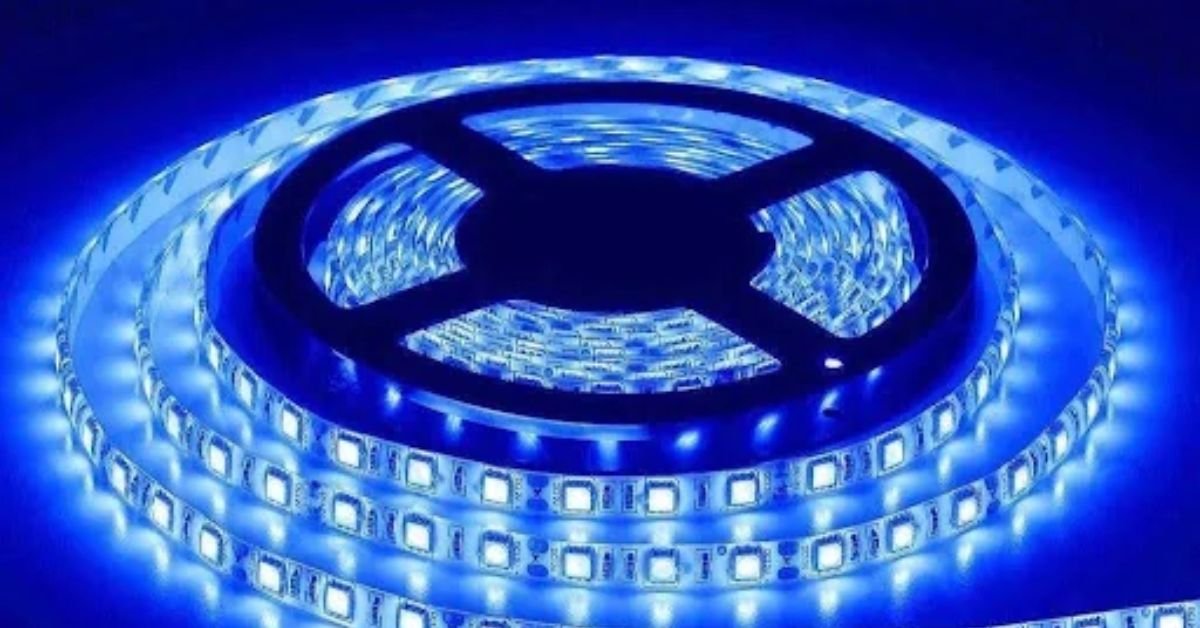
Architectural and outdoor lighting can transform the appearance of buildings, pathways, signage, and commercial spaces. LED strip lighting is a practical option for these projects because it can be installed along edges, around structures, and in areas where conventional lighting fixtures may be difficult to position.
However, choosing the right strip requires more than considering brightness or color. Buyers should evaluate waterproof protection, voltage, LED spacing, cutting intervals, power consumption, and the conditions in which the lighting will operate.
For businesses planning architectural lighting installations, LED Strip Lights are available in different configurations to suit decorative and functional requirements.
1. Understand the Project’s Lighting Requirements
Before selecting an LED strip, identify the purpose of the installation. Some projects require subtle accent lighting, while others need brighter illumination for signage, pathways, or building outlines.
Common applications include:
Architectural outlines around buildings and bridges
Cove lighting in ceilings and interiors
Signage backlighting and edge lighting
Lighting around windows, corridors, and archways
Decorative lighting for events and exhibitions
Path and contour marking
A suitable product should provide the required visual effect while matching the physical layout and environmental conditions of the project.
2. Choose the Right Waterproof Protection
Outdoor installations may be exposed to rain, moisture, dust, and changing weather conditions. Therefore, waterproof protection should be considered before purchasing an LED strip.
Dekingled’s 5050 LED strip is available with IP65 and IP68 protection ratings. It contains 300 LEDs per 5 meters and has a maximum power consumption of 17W per meter. These configurations make it relevant for various architectural and decorative lighting applications.
The IP68 waterproof strip information also specifies that it can remain protected against water ingress at a depth of 3 meters. This level of protection is particularly relevant when a project requires stronger resistance to water exposure.
Buyers should still confirm that the selected product’s protection rating matches the actual installation environment.
3. Check LED Spacing and Strip Dimensions
The physical design of an LED strip affects how easily it can be installed and how the light is distributed.
The 5050 LED strip has 16.6mm LED spacing, a 100mm cutting length, and a PCB size of 5000 × 10 × 0.3mm. It is packaged as 5 meters per reel and provides a 120-degree viewing angle.
These specifications are useful when planning installations around architectural features, signage, and decorative structures. The cutting interval is particularly important because it determines where the strip can be shortened without damaging its intended circuit arrangement.
For projects with several corners or different installation lengths, checking the cutting specifications in advance can help reduce material waste and installation difficulties.
4. Consider the Benefits of COB LED Technology
Traditional SMD LED strips can produce visible points of light, depending on LED spacing and the installation surface. COB technology offers a different lighting appearance.
COB LED strips provide uniform, dot-free illumination, creating a smoother lighting effect. They are also described as easier to maintain and more visually consistent than conventional SMD strips.
Another consideration is voltage. Dekingled’s product information explains that 24V LED strips experience less voltage drop than 12V strips, making them useful for longer runs where maintaining consistent brightness is important.
The featured free-cutting COB range supports 12V and 24V configurations, giving buyers options for different installation requirements. Selecting the appropriate voltage and strip design can help simplify project planning.
5. Match Power Consumption to the Installation
Power requirements should always be checked before connecting an LED strip. Using an unsuitable electrical setup can affect performance and may damage the lighting system.
For example, Dekingled’s 5050-WW-300 strip supports 12V DC or 24V DC input and has a maximum power rating of 72W. It contains 300 LEDs per 5 meters, with a brightness specification of 19–20 lumens per LED.
Its cutting arrangement is also different depending on the voltage: 3 LEDs at 12V DC or 6 LEDs at 24V DC. The strip includes 3M adhesive backing to support installation.
Before use, buyers and installers should verify that the power supply meets the strip’s voltage and power requirements. This is especially important when several reels are being installed in one project.
6. Select a Suitable Strip for Decorative Features
Not every architectural project requires a standard flexible LED strip. Some installations benefit from silicone neon lighting, particularly where the design includes visible outlines or curved decorative features.
Dekingled’s 2010 Silicone Neon Light uses SMD2835 LEDs rated at 32–34 lumens per LED. It operates at 24V DC, has a maximum power rating of 14W, and carries an IP65 protection rating.
The product can be cut by 9 LEDs at 24V DC and uses aluminum installation accessories for firmer mounting.
Its applications include canopies, corridors, windows, archways, signage backlighting, path marking, and decorative lighting for holidays, events, and exhibitions.
This type of product can be considered when the appearance of the lighting line is an important part of the overall architectural design.
7. Work With an Experienced Supplier
Selecting the right product is only one part of a successful lighting project. Buyers also need accurate product information, consistent specifications, and support when comparing different configurations.
When evaluating LED Strip suppliers consider their product range, technical support, delivery arrangements, and ability to provide options for different applications.
Shenzhen Dekingled Co., Ltd. was established in 2014 and offers different LED strip solutions, including 5050, 3528, 2835, 3014, COB, RGB, and silicone neon lighting products.
Having access to multiple product types can help buyers select lighting according to project requirements rather than relying on a single strip design for every installation.
Conclusion
Successful architectural and outdoor lighting projects depend on choosing products that match the installation environment and desired lighting effect. Waterproof protection, voltage, power consumption, LED spacing, cutting intervals, and mounting requirements should all be considered before ordering.
From flexible 5050 strips to COB technology and silicone neon lighting, selecting the right configuration can help create attractive and functional lighting installations. Careful product evaluation and support from an experienced manufacturer can make the sourcing and installation process more straightforward.
CLCIK HERE FOR MORE BLOG POSTS
