
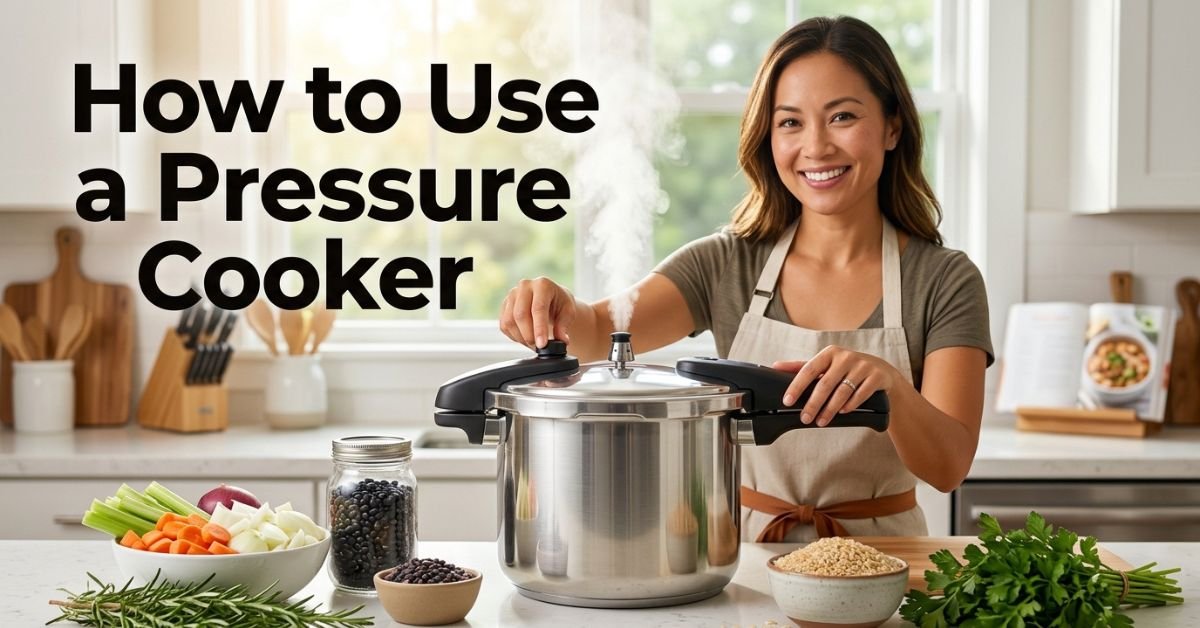
Modern pressure cookers whether classic stovetop or versatile electric multicookers like Instant Pot successors are safer and smarter than ever, with layered safety features that address past concerns. Yet many people still feel intimidated by the hissing valve or worry about overcooking (or undercooking).
In this guide, we’ll cover everything: choosing the right type, step-by-step operation for both stovetop and electric, safety essentials (including recent recalls to watch for), troubleshooting, time-saving techniques, and beginner-friendly recipes. By the end, you’ll cook with confidence and wonder how you ever managed without one.
Understanding Pressure Cooking: The Science Made Simple
Pressure cooking works by trapping steam to raise the boiling point of water from 212°F (100°C) to around 250°F (121°C) at 15 PSI. This higher temperature breaks down tough fibers and starches faster, locking in flavors and nutrients that often escape with long simmering or boiling.
Key entities and concepts you’ll master:
- PSI and pressure levels High (10-15 PSI) for meats/beans; low (5-8 PSI) for delicate veggies or seafood.
- Natural Release (NR) vs. Quick Release (QR) How and when to use each.
- Sealing ring/gasket, pressure valve, safety locks, and overpressure protection.
- Liquid requirements, fill lines, and steam generation.
Pressure cooking isn’t just fast it’s efficient. It can slash cooking time by up to 70% and reduce energy use significantly compared to ovens or stovetop simmering.
Stovetop vs Electric Pressure Cookers: Which Should You Use?
| Feature | Stovetop Pressure Cooker | Electric Multicooker (e.g., Instant Pot-style) |
|---|---|---|
| Heat Source | Your stove (gas/electric/induction) | Built-in heating element |
| Max Pressure | Often reaches true 15 PSI | Typically 10-13 PSI |
| Versatility | Great for searing, can double as stockpot | Multiple functions: sauté, slow cook, yogurt, rice, etc. |
| Ease for Beginners | Requires more monitoring | Set-it-and-forget-it with auto programs |
| Footprint & Cleanup | Compact, durable stainless steel | Bulkier but often non-stick inner pot |
| Best For | Serious cooks, canning (with care) | Busy families, one-pot meals |
Pro tip: Many home cooks own both. Start with electric for ease, then add a quality stovetop (like stainless steel models from trusted brands) for higher performance.
Step-by-Step: How to Use a Pressure Cooker (Stovetop)
- Prep and Safety Check — Inspect the sealing ring for cracks, ensure the valve is clean and functional, and verify all safety features work.
- Add Liquid — Always include at least 1 cup (or per manual) of liquid (water, broth, etc.) to generate steam. Never cook dry.
- Load Ingredients — Use a trivet for pot-in-pot (PIP) cooking. Never fill above the max line (usually 2/3 full for solids, 1/2 for liquids/beans).
- Secure the Lid — Align arrows or marks, lock it properly.
- Bring to Pressure — Heat on high until the valve/rocker starts rocking or the indicator shows full pressure. Reduce heat to maintain steady pressure (gentle rocking, not violent).
- Time It — Start your timer once pressure is reached. Follow recipe times.
- Release Pressure:
- Natural Release: Let it sit until the indicator drops (10-30+ min). Ideal for meats and beans.
- Quick Release: Carefully move the valve to venting (use a towel or long utensil). Great for veggies but avoid with foamy foods.
- Open and Serve — Once pressure is fully released and the lid unlocks easily, open away from your face.
Step-by-Step: How to Use an Electric Pressure Cooker
The process is similar but more automated:
- Sauté ingredients directly in the pot if desired.
- Add liquid and ingredients.
- Secure lid, set valve to “Sealing.”
- Select function/time/pressure level.
- Wait for pressurization (10-20 min).
- Release per recipe (many have auto features).
Essential Safety Rules and 2026 Updates
Modern units have multiple redundancies: lid locks, pressure relief valves, overheat protection, and more. However, safety is user-dependent.
Critical Safety Practices:
- Never force the lid open.
- Don’t overfill.
- Use enough liquid.
- Keep vents clear.
- Store with lid off or ajar to prevent odors/gasket issues.
Recent Alert: In early 2026, the CPSC warned about certain Gourmia models due to lid opening while pressurized, causing burn risks. Always check for recalls on your specific model and buy from reputable brands.
Myth vs. Fact
- Myth: Pressure cookers are dangerous explosions waiting to happen. Fact: Modern ones are engineered with fail-safes far beyond older models.
- Myth: Everything tastes the same. Fact: Proper technique preserves more nutrients and intensifies flavors.
- Myth: You can’t brown food. Fact: Use the sauté function or brown on the stove first.
Common Beginner Mistakes (and How to Avoid Them)
- Not enough liquid → Burn errors or dry food.
- Overfilling the pot.
- Releasing pressure too aggressively on soups/stews (foaming/splatter).
- Forgetting the sealing ring.
- Starting the timer before full pressure.
- Ignoring the max fill line.
From hands-on testing over years, the biggest confidence-killer is fear of the unknown. Start simple: cook rice or hard-boiled eggs. Success builds quickly.
Time and Cooking Charts (Quick Reference)
Approximate High-Pressure Times (Natural Release unless noted):
- Chicken thighs: 8-10 min
- Beef stew meat: 35-45 min
- Dried beans (soaked): 10-15 min
- Potatoes: 6-8 min
- Rice (white): 4-6 min (quick release)
Adjust for altitude and model. Always consult your manual and test recipes.
Easy Starter Recipes to Build Confidence
Classic Beef Stew (Electric or Stovetop): Brown beef, add broth/veggies, high pressure 35 min + NR. Tender perfection.
Perfect Beans: 1 lb dried beans + liquid + aromatics, 25-30 min + NR.
Pot-in-Pot Quinoa or Rice: Use a trivet and separate bowl for flawless grains while cooking a main below.
Experiment with your favorites pressure cooking shines with curries, soups, risottos, and tough cuts.
EEAT: Insights From Real-World Use
Having guided countless home cooks and tested models across years (including 2025-2026 updates), the consistent feedback is clear: the learning curve is short, but the payoff is huge in time, money, and meal quality. The most common regret? Not starting sooner. Prioritize models with strong warranties and easy-to-find replacement parts.
FAQs
How long does it take for a pressure cooker to reach pressure?
Usually 10-20 minutes depending on volume, starting temperature, and model. Factor this into total time.
Can you put frozen food in a pressure cooker?
Yes, but add extra time (usually 50% more) and ensure enough liquid. Thawing first is often better for even results.
Is a pressure cooker better than a slow cooker?
It depends. Pressure for speed and intense flavor; slow for hands-off all-day cooking. Many multicookers do both.
What if my pressure cooker won’t come to pressure?
Check liquid amount, sealing ring placement, valve position, and that the pot is properly seated.
How do I clean my pressure cooker?
Hand wash or dishwasher-safe parts. Remove and clean the ring and valve regularly to prevent buildup.
Are pressure cookers energy efficient?
Yes ignificantly less energy than oven or prolonged stovetop use, plus less water evaporation.
Conclusion
Pressure cookers deliver speed, flavor, nutrition, and efficiency in one powerful tool. By understanding the core principles liquid, pressure levels, release methods, and safety you’ll unlock meals that taste like they’ve simmered all day but land on the table in a fraction of the time.
CLICK HERE FOR MORE BLOG POSTS

“In a world of instant takes and AI-generated noise, John Authers writes like a human. His words carry weight—not just from knowledge, but from care. Readers don’t come to him for headlines; they come for meaning. He doesn’t just explain what happened—he helps you understand why it matters. That’s what sets him apart.”