

Introduction to Project-Based Learning
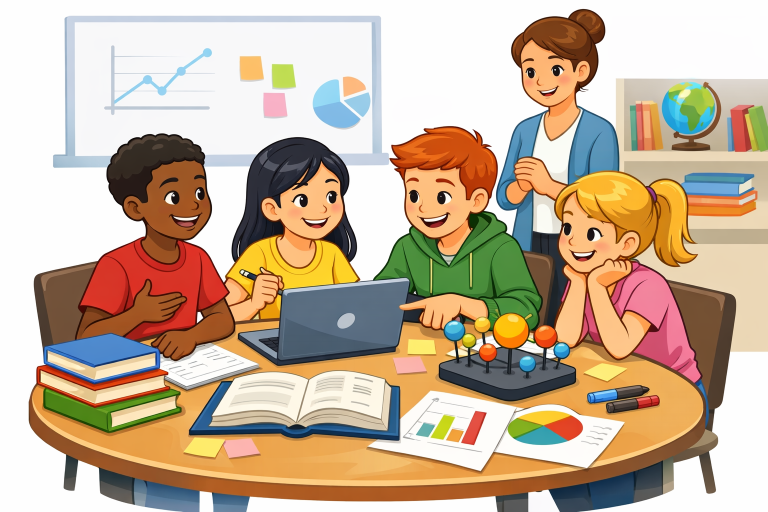
Project-Based Learning (PBL) is transforming education by encouraging students to explore real-world problems through meaningful projects actively. Unlike traditional approaches, where memorization is central, PBL asks students to drive their own learning through questioning, collaboration, and problem-solving. Schools across the country, including high schools offering advanced STEM programs in Sandy, are seeing the impact PBL has on preparing young people for an ever-changing workforce and society.
PBL is rooted in student-centered inquiry. Instead of passively receiving information, students construct their own understanding as they work on projects that reflect issues and challenges in the world around them. This promotes not only academic growth, but also social skills and personal development. Across grade levels, PBL creates a classroom culture where curiosity and creative thinking flourish.
The collaborative and investigative nature of PBL makes it uniquely suited to modern educational goals. In these classrooms, students learn to work as part of a team, communicate their ideas, and synthesize information from many sources. These are core skills demanded by both higher education institutions and today’s job market. PBL also bridges the gap between classroom learning and practical, real-life application. Students are motivated by the chance to see how academic knowledge can solve real problems, and teachers often notice deeper student engagement and greater retention of concepts as a result.
Benefits of PBL in K-12 Education
Project-Based Learning brings remarkable benefits to K-12 classrooms:
- Enhanced Engagement: With projects rooted in real-life applications, students find learning relevant and are more motivated to participate.
- Development of Critical Skills: Through research, design, and collaborative tasks, students develop the vital skills of critical thinking, teamwork, and communication that will serve them throughout their lives.
- Deeper Understanding: By applying knowledge in authentic settings, understanding deepens. Students move beyond memorization, synthesizing concepts as they face unpredictable challenges and outcomes.
Research published by Edutopia shows that schools implementing sustained PBL report better student performance, engagement, and preparation for post-secondary education and careers. Teachers note improved classroom dynamics and a noticeable increase in students’ confidence in tackling unfamiliar problems.
Integrating PBL into the Curriculum
Successful integration of PBL into K-12 curricula involves strategic planning and teacher collaboration. The following steps are commonly recommended:
- Identify Learning Objectives: Each project must align with curriculum standards and intended learning outcomes, ensuring all necessary skills and knowledge are addressed.
- Design Meaningful Projects: Projects should be engaging, relevant, and sufficiently challenging so that students are inspired to dig deep and pursue answers from multiple angles.
- Facilitate Collaboration: Students should be encouraged to work in groups, sharing responsibility and benefiting from diverse perspectives within their teams.
- Assess Progress: Teachers use a combination of formative (ongoing) and summative (final) assessments to monitor student progress and guide instruction. This might include presentations, reflective journals, or peer feedback.
Bringing PBL into daily practice can also create opportunities for cross-curricular learning, where students combine knowledge from science, math, literature, and other subjects as they develop holistic solutions to complex problems. Case studies from schools in places like California and Massachusetts illustrate how this kind of integration leads to richer, more memorable student outcomes.
Role of Technology in PBL
Technology is a catalyst for making PBL effective and accessible. Through shared digital workspaces, interactive software, and online research tools, students can collaborate in real time and tap into resources far beyond their classroom walls. Cloud platforms and project management apps help students organize their work, communicate about tasks, and submit deliverables efficiently.
The role of technology is especially evident in facilitating group discussions, peer review, and the sharing of work with authentic audiences. The use of interactive displays, video conferencing tools, and content-creation software also supports a dynamic and inclusive learning environment. According to EdTech Magazine, educators increasingly rely on such technologies to support collaboration and creativity in the classroom.
Educator Training and Support
The success of PBL hinges on teachers having the confidence, knowledge, and tools needed to facilitate rich learning experiences. Ongoing professional development is essential, as PBL demands a shift from traditional teaching approaches to more flexible, student-led ones. States such as Kentucky have invested in partnerships with groups like PBLWorks to provide specialized training and coaching for educators implementing PBL. Support networks, mentoring, and access to collaborative planning time also make a substantial difference in teacher success with PBL. As a result, schools and districts that prioritize educator support often see improved project outcomes and deeper student learning.
Challenges and Considerations
Despite its many advantages, PBL is not without challenges. Limited classroom time, lack of resources, and the necessity of sustained professional learning can sometimes hinder implementation. Additionally, assessment can be complex, as teachers must evaluate both the process and the final product of learning. Addressing these obstacles requires thoughtful scheduling, creative use of available materials, and ongoing investment in teacher training. Strong leadership and a schoolwide culture of innovation are crucial for supporting both educators and students as they navigate the intricacies of project-based work.
Conclusion
Project-Based Learning offers a powerful pathway to preparing today’s students for tomorrow’s challenges by fostering essential skills, deepening content knowledge, and motivating learners through real-world engagement. As more schools and districts work to integrate PBL and prioritize educator training, K-12 classrooms are transforming into vibrant centers of curiosity, creativity, and collaboration. Through hands-on projects and meaningful problem-solving activities, students develop critical thinking, communication, teamwork, and adaptability, skills that are highly valuable in both higher education and future careers. PBL also encourages learners to take ownership of their education by connecting lessons to real-life situations and community issues. By creating engaging and student-centered learning environments, educators can inspire lifelong learning while helping students become confident, innovative, and socially responsible individuals prepared to succeed in an ever-changing world.
CLICK HERE FOR MORE BLOG POSTS

“In a world of instant takes and AI-generated noise, John Authers writes like a human. His words carry weight—not just from knowledge, but from care. Readers don’t come to him for headlines; they come for meaning. He doesn’t just explain what happened—he helps you understand why it matters. That’s what sets him apart.”