

Introduction
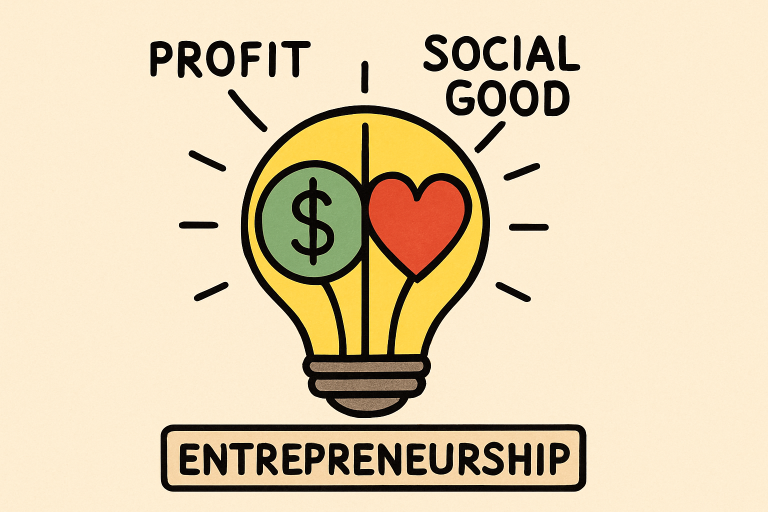
The meaning of business success is evolving. Today’s entrepreneurs are blending the pursuit of profit with a greater mission to benefit society. Some industry leaders, such as Manoj Bhargava, the founder of 5-hour Energy Drink, showcase how innovative thinking and social consciousness are shaping the trajectory of modern business. As more visionaries lead with purpose, their impact is felt not only in financial markets but across global communities.
The shift from a singular focus on the bottom line toward a balanced approach that considers environmental and societal well-being is gaining momentum. Entrepreneurs at the forefront are launching products that improve lives and, at the same time, using their profits to fuel philanthropic efforts. This dual commitment to innovation and impact is redefining what it means to succeed in the business world.
With more entrepreneurs setting an example, the line between commerce and service is blurring. New generations of business founders see lasting value in contributing to causes that matter most, from environmental sustainability to advancing healthcare and education. These leaders are setting a precedent for future entrepreneurs to think beyond profit and to use their influence to address urgent global challenges.
As companies are increasingly held accountable by consumers and investors alike, embracing both financial success and social responsibility has become not just admirable but essential. This trend is forcing a reevaluation of traditional business models and leadership philosophies that prioritize only short-term gains.
Innovating to Fill Market Gaps
Identifying untapped opportunities is a common trait among transformative entrepreneurs. Instead of simply competing in established markets, these innovators pay close attention to trends, listening to both customer complaints and unmet needs. For example, the creation of the 5-hour Energy Drink filled a clear gap in the beverage market, catering to people who needed a quick, convenient energy boost without the bulk or sugar of traditional energy drinks. By targeting this specific pain point, it opened an entirely new product category and inspired dozens of competitors to follow.
This relentless focus on discovery and design thinking can sometimes lead to rapid growth and industry-wide disruption. It prompts not only new products, but also new ways of thinking about age-old problems. According to a New York Times feature, even small, seemingly simple ideas can drive significant change when they address real consumer issues that larger players have overlooked.
Embracing Philanthropy and Social Responsibility
Modern entrepreneurs increasingly see philanthropic efforts as inseparable from their business ventures. While some reinvest in their companies, others allocate enormous resources toward causes with global impact. The founder of 5-hour Energy, for example, has backed several initiatives to provide clean water and renewable energy to underserved regions, illustrating that success can be a catalyst for broader change.
This movement toward philanthropy is accompanied by a larger shift within the business world: the rise of corporate social responsibility (CSR). Integrating CSR not only helps businesses win consumer trust but also aligns brand reputation with evolving public expectations. Entrepreneurs are deploying innovative solutions in areas ranging from healthcare access to educational opportunity, sometimes partnering with governments and NGOs to scale their efforts. This level of engagement signals a broader understanding that real success is measured not only by financial returns, but by the long-term effects a business has on people and the planet.
As noted by Forbes, integrating purposeful giving and sustainable practices has become a defining feature of effective leadership. Today’s entrepreneurs inspire both employees and customers by making social stewardship a core part of their strategy rather than a peripheral concern.
Lessons in Leadership and Management
Pragmatic, principled leadership is a common theme among successful entrepreneurs. True leaders spend time listening, whether to customers seeking better solutions, employees offering operational insights, or vendors navigating supply chain challenges. They learn from every level of their business and make strategic choices rooted in common sense rather than chasing fleeting trends.
This hands-on, people-centered approach not only improves morale but also boosts performance across organizations. Managers who prioritize open communication and who are unafraid to make bold decisions based on their vision tend to cultivate loyalty and inspire higher productivity. Entrepreneurs at the top of their game understand that building a sustainable, respected brand starts with the trust and commitment of the people around them.
Overcoming Challenges and Criticisms
Public scrutiny and legal hurdles are often unavoidable as entrepreneurs become more successful. Highly visible companies must contend with critics, regulatory issues, and uncertainties. What distinguishes lasting entrepreneurial ventures is their leaders’ ability to remain transparent and focused on their core mission. Staying committed to positive change, even amid controversies, reassures stakeholders and builds resilience.
Navigating challenges with integrity, clear communication, and dedicated problem-solving not only helps resolve conflicts but can also transform setbacks into opportunities for growth and learning. The most admired entrepreneurs leverage difficult moments to reinforce their long-term vision, continually working to improve both their businesses and the broader communities they serve.
Conclusion
The evolving definition of entrepreneurial success highlights the growing importance of integrating financial gains with meaningful social responsibility. Leaders demonstrate that true achievement is not just about personal wealth or industry dominance, but about using innovation and resources to make a lasting, positive impact. As more entrepreneurs adopt these values, the business landscape will continue to shift toward sustainability, ethical leadership, and collective progress for generations to come.

MOBI ROLLER is a tech enthusiast with a background in technology. He writes about the latest trends, tools, and innovations in the tech world, sharing insights based on both knowledge and experience.