
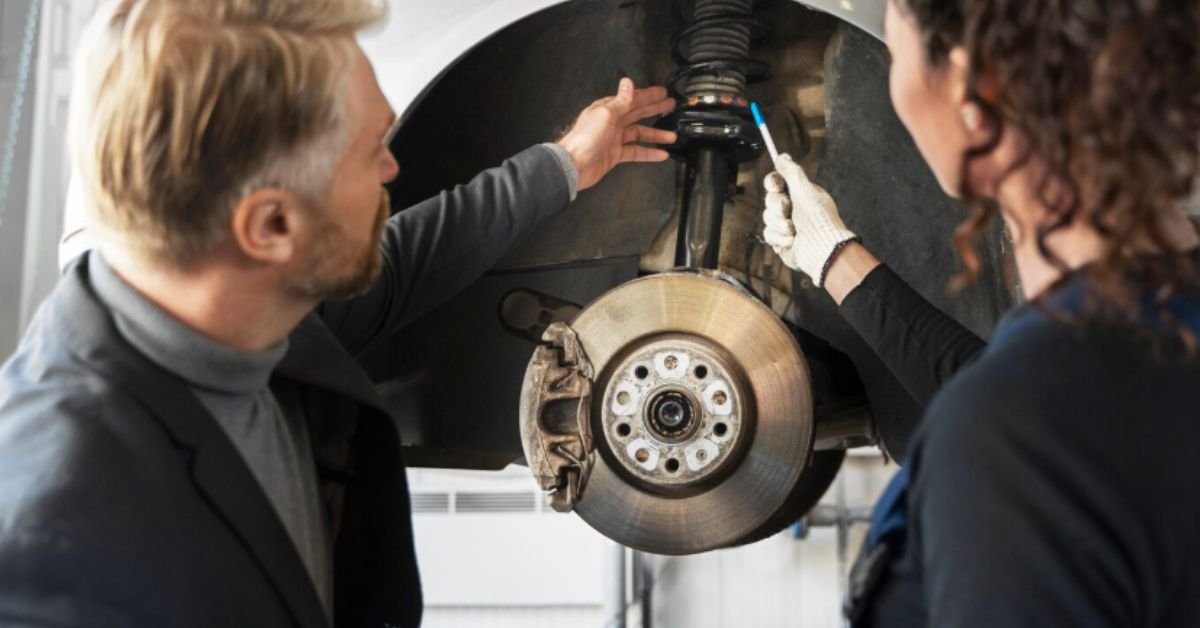
Driving comfort is one of the most important factors for vehicle owners, whether commuting daily, taking long road trips, or navigating uneven roads. A vehicle’s suspension system plays a critical role in providing a smooth, controlled ride while maintaining stability and handling. Properly functioning suspension components absorb shocks, reduce vibrations, and ensure that tires maintain optimal contact with the road surface.
For those looking to enhance their vehicle’s ride quality or replace worn components, visiting auto parts Albuquerque, NM provides access to high-quality suspension parts and expert guidance. By understanding the components that contribute to driving comfort, vehicle owners can make informed decisions to improve both safety and enjoyment behind the wheel.
What is a Suspension System?
A suspension system is a network of components designed to connect a vehicle to its wheels while absorbing shocks from uneven surfaces. It balances comfort, handling, and safety, making it one of the most critical systems in a vehicle.
Key Functions of Suspension
- Shock Absorption: Reduces the impact of bumps and potholes on passengers.
- Handling and Stability: Keeps the vehicle under control during turns, acceleration, and braking.
- Tire Contact: Ensures tires remain in contact with the road for traction and safety.
- Load Distribution: Supports vehicle weight and evenly distributes it across tires.
By managing these functions effectively, the suspension system directly impacts driving comfort and vehicle longevity.
Shock Absorbers
Shock absorbers, also known as dampers, are essential for controlling the movement of the suspension and minimizing the effects of road irregularities.
How Shock Absorbers Work
Shock absorbers compress and extend to dampen the oscillation of the vehicle’s springs. They slow down the energy generated from bumps, reducing vibrations and preventing excessive bouncing.
Types of Shock Absorbers
- Hydraulic/Shock Struts: Common in most passenger vehicles, providing smooth ride quality.
- Gas-Charged Shocks: Offer improved performance by reducing aeration and providing consistent damping.
- Adjustable Shocks: Allow drivers to customize stiffness for comfort or sportier handling.
By absorbing shocks efficiently, these components ensure a smoother and more controlled driving experience.
Coil Springs and Leaf Springs
Springs are another critical component of the suspension system, supporting the vehicle’s weight and maintaining ride height.
Coil Springs
Coil springs are commonly found in modern cars and SUVs. They compress and expand to absorb road impacts, providing a cushioned ride. Properly functioning coil springs reduce jolts and vibrations transmitted to the cabin.
Leaf Springs
Leaf springs are often used in trucks and commercial vehicles. They consist of multiple layers of metal strips stacked together, providing strength and durability for heavy loads while still offering shock absorption.
Benefits of Quality Springs
High-quality springs enhance driving comfort by maintaining consistent ride height, reducing sway, and absorbing impacts efficiently. Worn or sagging springs can cause a rough ride, uneven tire wear, and decreased stability.
Control Arms and Bushings
Control arms connect the suspension to the vehicle frame, allowing for smooth wheel movement and precise handling.
Function of Control Arms
Control arms help guide the wheels’ vertical motion while keeping them aligned with the road. They work in tandem with springs and shock absorbers to manage weight transfer and maintain stability.
Role of Bushings
Bushings are rubber or polyurethane components that cushion the connection points of control arms. They reduce noise, vibration, and harshness (NVH), providing a more comfortable driving experience.
Signs of Worn Control Arms or Bushings
- Excessive vibration or clunking noises when driving over bumps
- Uneven tire wear
- Poor handling or alignment issues
Replacing worn control arms and bushings can significantly improve ride quality and handling precision.
Sway Bars and Stabilizer Links
Sway bars, also called anti-roll bars, reduce body roll during cornering, contributing to both comfort and safety.
Function of Sway Bars
Sway bars connect opposite wheels and resist excessive leaning, keeping the vehicle more level through turns. This reduces the feeling of instability and prevents passengers from being thrown sideways during sharp maneuvers.
Stabilizer Links
Stabilizer links connect the sway bar to the suspension components, transmitting forces and ensuring proper operation. Worn links can cause rattling noises and reduced effectiveness, compromising both comfort and control.
Benefits of Proper Sway Bar Function
A functioning sway bar improves cornering stability, reduces side-to-side motion, and creates a smoother, more controlled ride without compromising handling.
Struts
Struts combine the functions of shock absorbers and structural support for the suspension. They are commonly used in front suspensions of many vehicles.
How Struts Work
Struts support the vehicle’s weight, absorb shocks, and provide a pivot point for the steering system. This dual functionality allows them to improve ride quality and handling simultaneously.
Signs of Worn Struts
- Excessive bouncing after hitting bumps
- Nose-diving during braking
- Uneven tire wear
Replacing worn struts restores ride comfort, steering stability, and overall safety.
Tires and Wheels
While not technically part of the suspension, tires and wheels interact closely with the system and greatly affect driving comfort.
Tire Quality
High-quality tires with appropriate sidewall height and tread patterns help absorb minor road imperfections. Low-profile tires may improve handling but often transmit more road vibration to the cabin.
Wheel Alignment
Proper alignment ensures even contact between tires and the road, reducing vibration and enhancing comfort. Misaligned wheels can lead to pulling, uneven tire wear, and a rough ride.
Importance of Regular Maintenance
Maintaining suspension components is crucial for long-term driving comfort.
Inspection and Replacement
Regularly inspecting shocks, struts, bushings, and springs helps identify wear before it impacts ride quality. Replacing worn components restores optimal performance.
Lubrication
Control arms, bushings, and other moving parts require proper lubrication to minimize friction and prevent noise.
Alignment and Balancing
Periodic wheel alignment and tire balancing ensure that suspension components work together effectively, enhancing both comfort and handling.
Conclusion
A vehicle’s suspension system is a cornerstone of driving comfort, combining components such as shocks, struts, springs, control arms, sway bars, and bushings to absorb impacts, reduce vibrations, and maintain stability. Proper tires and wheel alignment also play a critical role in delivering a smooth, controlled ride.
ALSO READ: The Ultimate Driving Machine Deserves the Ultimate Care
