

Key Takeaways
- The construction industry is being reshaped by sustainability, technology, and workforce evolution.
- Green building practices reduce environmental impact and increase market appeal.
- Smart technologies enhance safety, comfort, and energy efficiency in modern structures.
- Prefabrication and modular construction improve speed, cost control, and quality.
- Data-driven operations streamline workflows and strengthen supply chain collaboration.
- Workforce development, diversity, and automation address labor shortages.
- Adaptive reuse revitalizes communities while preserving cultural identity.
- Advanced technologies like drones, 3D printing, and BIM improve efficiency and reduce waste.
- Prioritizing health and safety ensures worker wellbeing and uninterrupted project progress.
Introduction
The construction industry is undergoing a significant transformation, driven by technological innovations, demand for sustainable solutions, and a redefined workforce landscape. As these trends accelerate, stakeholders who wish to stay ahead must recognize how these driving forces reshape every stage of development and delivery. Companies, investors, and communities are benefitting from access to top-rated construction contractors across Utah who are already embracing these sweeping changes to deliver resilient, future-proof projects.
From prefabrication to digital technologies, the push for greater efficiency and environmental stewardship means construction professionals must continuously adapt. Those who understand and implement these emerging practices are well-positioned to deliver value and maintain a competitive edge.
Embracing Sustainable Building Practices
Environmental responsibility is now a central focus for the construction sector, with project owners demanding greener buildings and local jurisdictions enacting stricter codes. The shift is apparent in the widespread adoption of recycled materials, such as steel and low-carbon concrete, and in the move toward renewable energy. Contemporary project designs now frequently feature solar panel installations and rainwater capture systems, helping both conserve energy and minimize waste.
Sustainable construction not only reduces a project’s carbon footprint but also enhances a building’s appeal to environmentally conscious buyers and tenants. According to the National Trust for Historic Preservation, adaptive reuse and green retrofits are among the most cost-effective strategies for reducing emissions and waste.
Integration of Smart Technologies
The rapid adoption of smart technology is transforming building operations and occupant experiences. Modern structures are increasingly equipped with automated lighting, advanced security systems, and IoT-powered sensors that enable real-time environmental adjustments. These systems make facilities safer and more comfortable, allowing users to enjoy dynamic spaces that adjust automatically to optimize energy use, airflow, and lighting. As technology continues to advance, the industry is likely to see further integration with cloud computing and predictive analytics, making buildings even more responsive and energy efficient.
Adoption of Prefabrication and Modular Construction
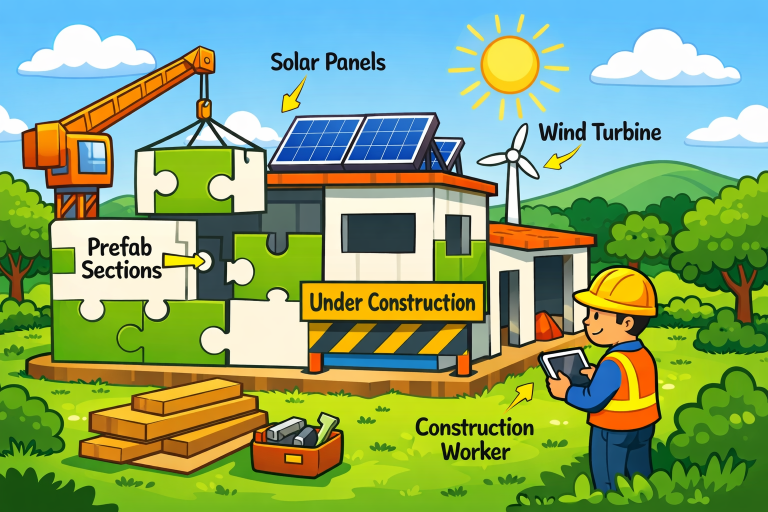
Prefabrication and modular construction are solving longstanding industry challenges, notably project overruns and waste. By constructing elements off-site and transporting them for assembly, contractors can better control schedules, more accurately budget, and maintain strict quality standards. This approach not only reduces material waste but also significantly shortens completion time, making it ideal for addressing affordable housing shortages and rapid commercial development cycles. It is increasingly popular in regions facing labor shortages or tight market demand for quick turnaround times.
Leveraging Data-Driven Operations
The digital transformation of construction management is streamlining workflows and fostering transparency. With real-time data becoming readily available through cloud-based software, contractors and wholesalers gain instant access to live pricing, detailed product information, and inventory. This open access empowers decision-makers, speeds up procurement, and ensures that resource allocations are both efficient and cost-effective. Vendors and teams can collaborate more effectively, creating stronger partnerships across the supply chain.
Addressing Workforce Challenges
The shortage of skilled labor remains a pressing issue for the industry. In response, firms are investing in comprehensive workforce development programs that offer training in emerging technologies and modern construction techniques. Diversity and inclusion are increasingly seen as key drivers of resilience within organizations. Automation and robotics are also helping bridge labor gaps, ensuring that projects can progress even as traditional skills become scarcer.
Enhancing Resilience Through Adaptive Reuse
Adaptive reuse is gaining momentum as cities seek ways to revitalize neighborhoods and preserve cultural identity. By renovating and repurposing existing buildings, construction teams can minimize environmental impact while maintaining the heritage and character unique to each community. Repurposed spaces are finding fresh life as mixed-use residential and commercial hubs, offering flexible, modern amenities with a reduced development footprint. This practice often generates positive economic and social impacts on urban centers in need of renewal.
Implementing Advanced Construction Technologies
Technological innovation is advancing construction efficiency and accuracy. Drones conduct site surveys quickly and safely, offering comprehensive visual documentation that enhances decision-making. 3D printing enables rapid prototyping and even the fabrication of structural elements, while Building Information Modeling (BIM) has transformed multi-stakeholder collaboration. BIM’s ability to facilitate real-time updates and clash detection allows teams to identify issues before construction begins, minimizing costly delays and waste.
Prioritizing Health and Safety Measures
Increased awareness of health risks has led to robust safety protocols across construction sites. Enhanced air filtration, touch-free technology, and adherence to strict sanitation standards help protect both site workers and future occupants. Employers have redefined processes to align with public health recommendations, supporting wellbeing while reducing potential interruptions and liabilities.
Final Thoughts
The convergence of sustainable building, digital innovation, and workforce reinvention puts the construction and development industry at the forefront of change. Professionals who remain agile, open to new technology, and committed to integrating green solutions are certain to help build an infrastructure that is efficient, resilient, and geared for the decades ahead.

MOBI ROLLER is a tech enthusiast with a background in technology. He writes about the latest trends, tools, and innovations in the tech world, sharing insights based on both knowledge and experience.