
City, Country
News Desk | Health
Health authorities are reporting a sharp rise in overdose cases in recent weeks, with emergency services responding to a growing number of incidents linked to both illicit opioids and prescription drug misuse, according to officials. The increase has been observed across several regions, prompting warnings from public health agencies and renewed calls for prevention, treatment access, and harm reduction measures.
Emergency responders in multiple jurisdictions have documented clusters of overdoses, some fatal, involving substances suspected to be contaminated with synthetic opioids such as fentanyl. Local health departments said toxicology results are still pending in several cases, but early indications suggest a higher potency of street drugs contributing to the surge.
Hospitals have reported increased admissions related to respiratory distress and loss of consciousness consistent with opioid overdoses. Medical staff in affected areas have also noted a rise in repeat overdose cases among individuals with substance use disorders, highlighting gaps in ongoing treatment and support systems.
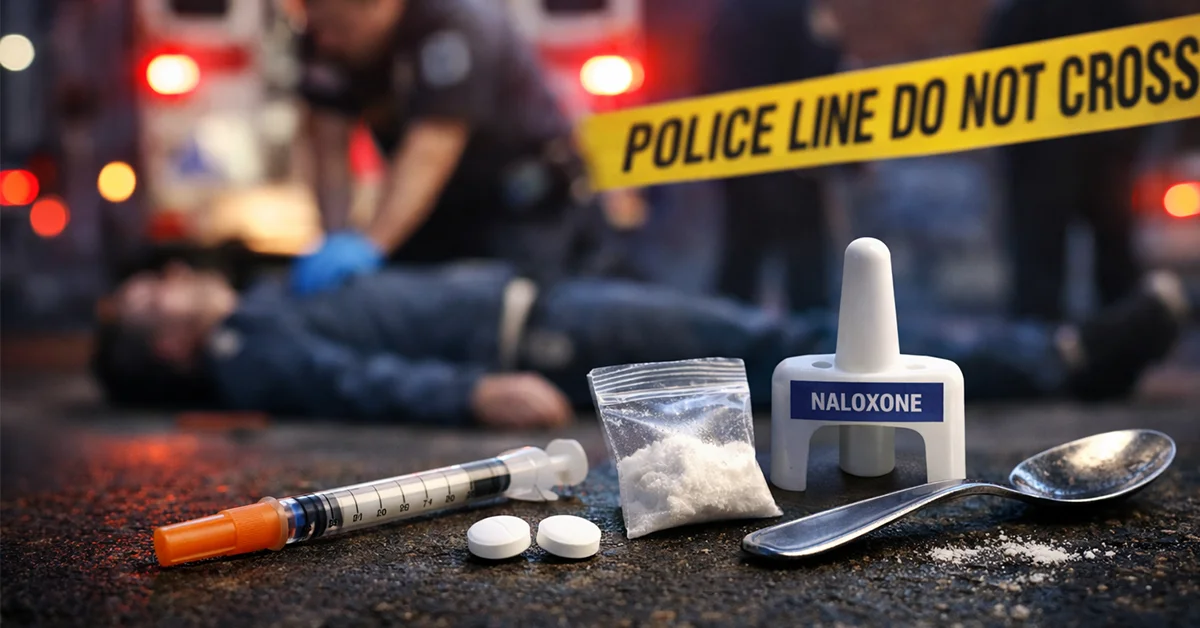
Public health officials have urged individuals to exercise caution, avoid using substances alone, and carry naloxone, an opioid overdose reversal medication. Community organizations and outreach teams have expanded distribution of naloxone kits and educational resources in response to the spike.
Law enforcement agencies are investigating potential supply chains linked to the distribution of contaminated substances. Authorities have not confirmed a single source but indicated that investigations are ongoing in coordination with federal partners.
Experts say the increase reflects broader trends in substance use and the evolving composition of illicit drugs. The widespread presence of fentanyl, often mixed with other substances without users’ knowledge, has been a significant factor in overdose rates in recent years.
Officials emphasized the importance of expanding access to treatment programs, including medication-assisted therapy, and strengthening early intervention strategies. Public awareness campaigns are also being intensified to address stigma and encourage individuals to seek help.
Health departments continue to monitor the situation and are expected to release updated guidance as more information becomes available. The story is developing.
ALSO READ: Ann Arbor Tornado Causes Damage Triggers Emergency Response Across Washtenaw County
