
Key Takeaways
- Dental implants have rapidly become the preferred solution for their durability and aesthetics.
- Revolutionary techniques such as 3D printing and tissue engineering are set to reshape dental care for the better.
- Knowledge of contemporary tooth-replacement options enables patients to make choices that align with their needs and goals.
Table of Contents
- The Rise of Dental Implants
- Advancements in Implant Technology
- The Promise of Lab-Grown Teeth
- 3D Printing in Dentistry
- Comparing Tooth Replacement Options
- Choosing the Right Solution
- Conclusion
Tooth loss can profoundly impact both one’s appearance and overall quality of life. Fortunately, modern dentistry has made remarkable strides in developing advanced solutions that go far beyond the limitations of the past. Today’s options not only restore smiles but also help preserve oral health, allowing individuals to enjoy improved comfort and confidence. Among the most exciting breakthroughs are dental implants, which represent just one of many new ways to address tooth loss in a natural-looking and lasting manner.
Technological innovation in dental care means patients now benefit from more precise procedures, shorter recovery times, and a wider variety of tooth-replacement options. The latest developments, from digital design tools to regenerative science, promise even greater improvements on the horizon for those seeking to replace missing teeth. Exploring these innovations empowers people to make informed choices and leads to better long-term oral health outcomes.
The Rise of Dental Implants
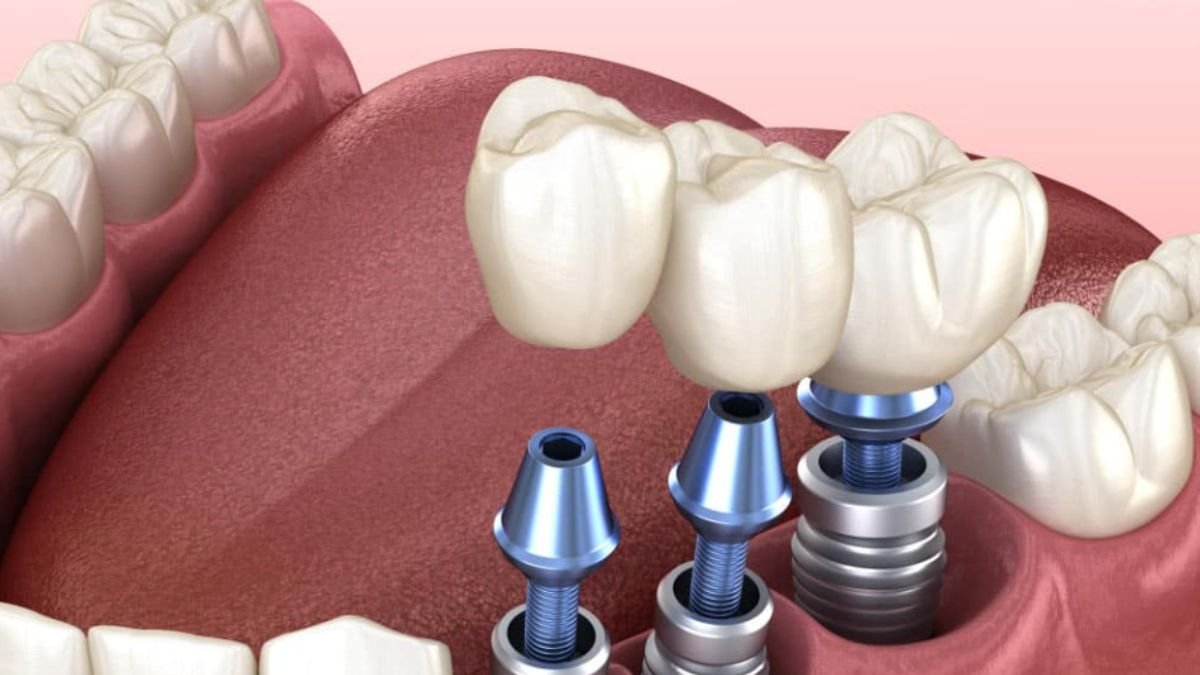
Dental implants provide a stable, functional foundation for artificial teeth and have transformed how dentists approach missing teeth. Unlike older methods, implants are surgically anchored within the jawbone, where they integrate with the natural bone tissue to mimic a real tooth root. This approach helps preserve the jaw’s bone structure and maintains the integrity of facial features, reducing the common problem of bone resorption and sagging after tooth loss.
Advancements in Implant Technology
Modern implant technology has made great strides in terms of both materials and surgical techniques. Enhanced digital imaging and computer-aided design allow clinicians to plan with greater accuracy, reducing complications and streamlining the process. Guided implant surgery and computer-generated surgical templates mean procedures are faster, less invasive, and more predictable. Additionally, innovations such as zirconia implants offer a metal-free alternative, accommodating patients with allergies or concerns about metal in their bodies. This means more patients have access to safe, reliable tooth replacement than ever before.
The Promise of Lab-Grown Teeth
One of the most groundbreaking areas of dental research lies in the use of stem cells and regenerative medicine. Scientists are now working towards growing new teeth using an individual’s own cells. While still in experimental phases, this method has the potential to provide a completely biological solution to tooth loss. Instead of inserting artificial materials, physicians may one day be able to stimulate the growth of real, living teeth, resulting in the closest possible match to a natural smile. For a deeper look at these exciting breakthroughs, resources like Nature’s review of bioengineered tooth research provide excellent explanations of current progress.
3D Printing in Dentistry
The introduction of 3D printing technology has had a profound impact on the production of dental prosthetics. Dentists can now create custom crowns, bridges, and dentures quickly and with exceptional accuracy. These 3D-printed solutions are not only tailored to fit each patient precisely but also deliver results quickly, often with same-day turnaround. This innovation improves comfort, aesthetics, and reliability for anyone needing tooth replacements. With such rapid advancements, it is clear that 3D printing will remain a cornerstone of restorative dental care. Publications such as the Forbes analysis of 3D printing in the dental industry highlight how these changes are reshaping patient care standards worldwide.
Comparing Tooth Replacement Options
Dental professionals offer several solutions to restore missing teeth. Understanding the differences can help individuals select the most appropriate method for their needs:
- Dental Implants: These provide a permanent, lifelike replacement for teeth. Though they require minor surgery and healing time, implants often last for decades and offer superior stability and chewing power.
- Dental Bridges: This method involves anchoring an artificial tooth between adjacent healthy teeth. Bridges can be effective for single gaps but may require modification of the supporting teeth and do not prevent bone loss beneath the missing tooth.
- Dentures: Removable dentures are among the most affordable options for replacing multiple teeth. While they can restore appearance and function, they may feel less stable than other options and often require periodic adjustment as the mouth changes.
Choosing the Right Solution
The optimal tooth replacement approach varies based on oral health, jawbone density, esthetic goals, and practical considerations like cost and time. Consulting with an experienced dental professional is the best way to identify which innovation will provide the greatest benefit for your specific situation. Continuing education and advances in the field ensure that more patients will enjoy healthy, confident smiles well into the future.
Conclusion
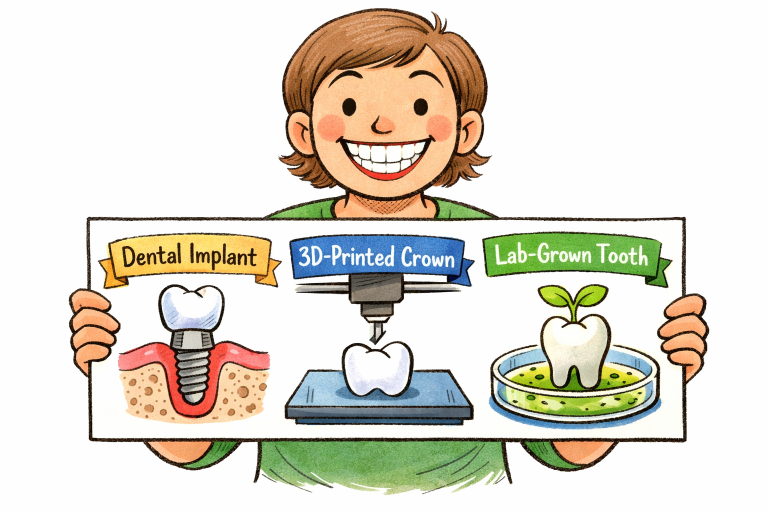
Rapid advancements in dental technology are revolutionizing how people recover from tooth loss. With powerful new tools like dental implants, the promise of lab-grown teeth, and the capabilities of 3D printing, the future of restorative dentistry is brighter than ever. By staying informed about these options, patients can take charge of their dental health and look forward to better outcomes and a lifetime of confident smiles.

MOBI ROLLER is a tech enthusiast with a background in technology. He writes about the latest trends, tools, and innovations in the tech world, sharing insights based on both knowledge and experience.