
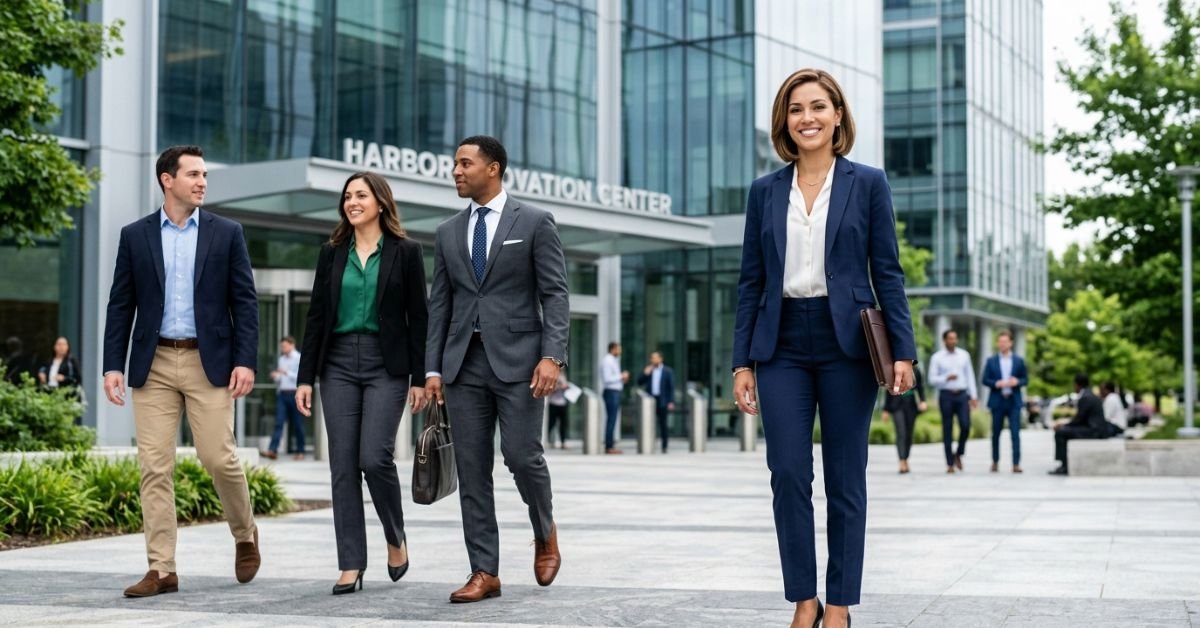
Walking into (or logging onto) an interview, you have about seven seconds before the other person forms a strong impression. A huge chunk of that comes down to how you look.
The rules have shifted since the old “always wear a suit” days. Company cultures vary wildly tech startups embrace smart casual, while finance and law stay conservative. Yet one truth holds: dressing appropriately signals respect, preparation, and cultural awareness. It reduces your own anxiety so you can focus on showcasing your skills.
Understanding Modern Interview Dress Codes
Interview attire falls into a spectrum: business formal, business casual, and smart casual. The sweet spot in 2026? Dress one level above the company’s everyday norm. This shows effort without looking out of place.
Business Formal (Finance, Law, Executive roles):
- Matched suit in navy, charcoal, or mid-gray.
- Crisp white or light blue dress shirt.
- Conservative tie (solid or subtle pattern).
- Polished leather oxfords or derbies.
Business Casual (Most corporate/office jobs):
- Blazer + trousers or pencil skirt.
- Button-down or refined blouse.
- Loafers, pumps, or clean flats.
- Optional tie or subtle accessories.
Smart Casual (Tech, Creative, Startups):
- Chinos or dark jeans (no rips/distress).
- Collared shirt, polo, or elevated sweater.
- Unstructured blazer optional.
- Clean sneakers or loafers.
Key Principle: Fit trumps everything. Clothes that are too tight, baggy, or wrinkled scream “I didn’t prepare.”
What to Wear by Industry in 2026
Company culture research is non-negotiable check LinkedIn, the “About” page, and recent employee posts.
- Finance, Banking, Law, Government: Stick to structured suits. Navy remains the most versatile and trustworthy color.
- Tech & Startups: Smart casual wins. Dark jeans + blazer or a refined polo + chinos. Avoid full suits unless it’s a senior role at a more established firm.
- Creative Fields (Marketing, Design, Media): Show personality with interesting textures or subtle colors, but keep it polished. A statement blazer over basics works well.
- Healthcare/Education: Business casual leans conservative losed-toe shoes, modest necklines, and clean lines.
- Retail/Sales: Elevated business casual with good grooming.
Pro Tip from the Field: After years advising candidates across sectors, the biggest regret I see is under-dressing for the level of the role. Always lean slightly more professional.
Outfit Ideas for Men and Women
Men’s Interview Outfits
- Formal: Navy/Charcoal suit + white shirt + subdued tie + leather dress shoes + matching belt.
- Business Casual: Gray blazer + chinos + oxford shirt + loafers.
- Smart Casual: Dark jeans + polo or button-down + unstructured jacket + clean sneakers.
Women’s Interview Outfits
- Formal: Pant suit or skirt suit in neutral tones + blouse + closed-toe pumps.
- Business Casual: Blazer + tailored trousers or knee-length dress + flats or low heels.
- Smart Casual: Structured top + dark jeans or chinos + cardigan or blazer.
Shared Essentials: Neutral colors (navy, gray, black, white, beige), solid patterns over busy prints, and modest coverage.
Colors, Fabrics, and Grooming That Make a Difference
Darker, solid neutrals project authority and minimize distractions. Light blue shirts add approachability. Avoid bright reds, neons, or heavy patterns.
Fabrics matter in 2026 breathable wool blends, performance fabrics, and sustainable options perform well year-round. Iron or steam everything.
Grooming Checklist:
- Clean, styled hair (professional cut).
- Minimal, fresh fragrance.
- Neat nails and facial hair.
- No visible tattoos if possible (cover if in doubt for conservative fields).
- Shoes polished interviewers notice feet.
Virtual Interview Attire: Upper Body Still Counts
Even for Zoom calls, dress fully professional from the waist up and consider bottoms in case you stand. Solid colors photograph best. Ensure good lighting and a neutral background.
Virtual-Specific Tips:
- Blazer + collared shirt is safest.
- Avoid busy patterns that pixelate.
- Test your camera angle and outfit on video beforehand.
Myth vs Fact
Myth: “A full suit is always safest.” Fact: Overdressing can make you seem out of touch in casual cultures. Match the vibe + one notch up.
Myth: “Jeans are never okay.” Fact: Dark, tailored jeans work in many 2026 environments when paired correctly.
Myth: “Accessories don’t matter.” Fact: Overly loud jewelry or strong scents distract. Keep it minimal.
Myth: “No one notices shoes.” Fact: They do dirty or casual footwear undermines the whole look.
Other Frequent Errors: Wrinkled clothes, strong perfume/cologne, visible logos, or anything too revealing/ tight.
Statistical Proof: Why Attire Impacts Hiring
Studies and recruiter surveys consistently show that 51-75% of employers factor attire into decisions, with many preferring candidates who dress slightly more formally. Properly dressed candidates often see higher offer rates due to perceived preparedness and fit.
EEAT Insights: Lessons from the Trenches
Having reviewed thousands of candidate profiles and coached placements in competitive markets through 2025-2026, the pattern is clear: those who research company culture and execute a thoughtful outfit consistently outperform those winging it. It’s not about vanity it’s about signaling that you respect the opportunity and understand the environment.
FAQs
What is the safest outfit for most interviews in 2026?
Business casual a blazer with trousers or a dress, in neutral colors. It works across many industries and shows effort without excess.
Can I wear jeans to an interview?
Yes, in creative or tech settings if they are dark, well-fitted, and paired with a collared shirt and blazer. Skip them for formal roles.
What should I wear to a virtual interview?
Full professional top half (blazer + shirt), solid colors, and consider wearing appropriate bottoms. Test the full look on camera.
How important is fit and grooming?
Extremely. Ill-fitting clothes or poor grooming can overshadow qualifications. Tailoring is worth the investment.
Should I dress differently for the second round?
Slightly once you have more intel on culture, refine accordingly, but stay polished.
What colors should I avoid?
Bright, distracting patterns or overly casual colors like neon. Stick to navy, gray, black, and soft blues/whites.
CONCLUSION
Your interview outfit isn’t the deciding factor, but it removes barriers and lets your experience shine through. Research the company, prioritize fit and neutrality, and dress with intention. In 2026’s evolving workplace, the candidates who understand subtle signals like thoughtful attire move forward fastest.
CLICK HERE FOR MORE BLOG POSTS

“In a world of instant takes and AI-generated noise, John Authers writes like a human. His words carry weight—not just from knowledge, but from care. Readers don’t come to him for headlines; they come for meaning. He doesn’t just explain what happened—he helps you understand why it matters. That’s what sets him apart.”