
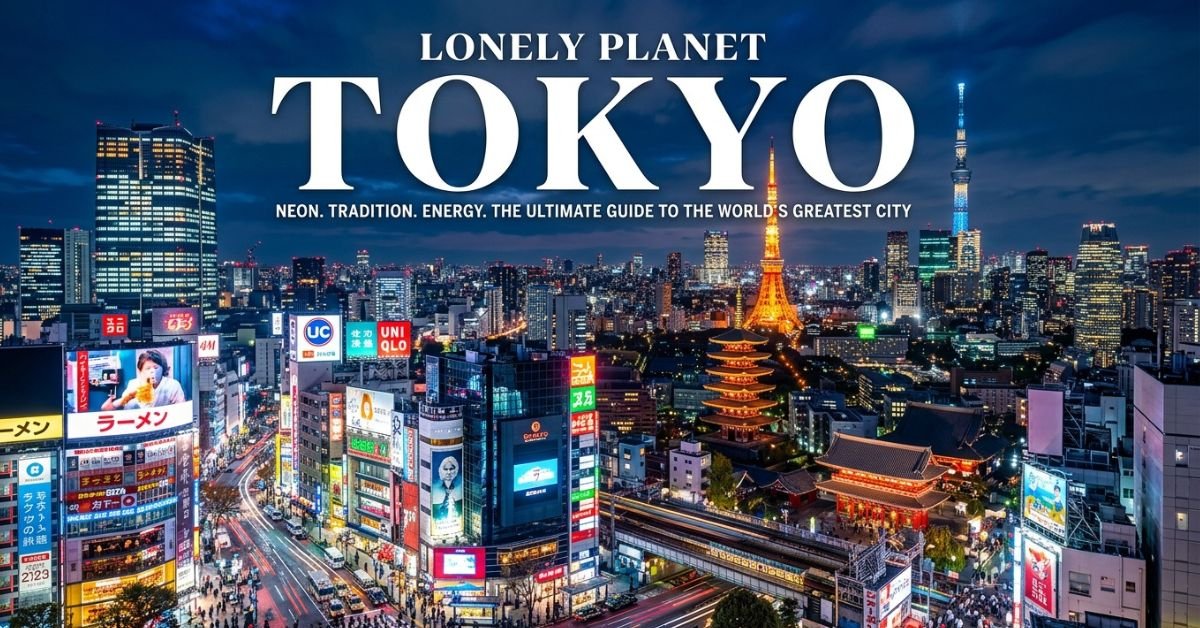
Post-pandemic travel has stabilized, the yen remains relatively favorable for many visitors, and the city keeps layering fresh experiences onto its timeless core. New openings like PokePark Kanto (opened February 2026), the renovated Edo-Tokyo Museum (March 2026), and seasonal celebrations make this year exciting. Tokyo rewards those who slow down just enough to notice the details.
What we’ll cover: Neighborhood deep dives, food and drink, practical logistics, sample itineraries, day trips, and the subtle cultural nuances that turn a good trip into a transformative one.
Tokyo’s Primary Entities and Must-Know Concepts
Tokyo blends Shinto and Buddhist heritage with futuristic architecture, omotenashi (hospitality), seasonal micro-cultures (cherry blossoms, autumn leaves, illuminations), and an unmatched food ecosystem from Michelin-starred kaiseki to conveyor-belt sushi and hidden izakayas.
Key related entities and LSI terms: Shibuya Crossing, Senso-ji, Meiji Shrine, Shinjuku, Harajuku, Akihabara, Tsukiji Outer Market (Toyosu for wholesale), teamLab, Tokyo Skytree, Imperial Palace, sumo, onsen culture, shinkansen, Suica/Pasmo cards, yokocho alleys, depachika (department store food halls), ryokan vs. capsule hotels, seasonal matsuri, Mt. Fuji views, robot restaurants (evolving), Ghibli Museum, Pokémon experiences, and sustainable tourism efforts.
Neighborhoods: Tokyo by Area (Your Orientation Map)
Asakusa & Sumida: Historic heart. Senso-ji Temple is the draw, but wander the backstreets for old-school shitamachi vibe, street snacks, and river views. Great for first evenings.
Shibuya & Harajuku: Youth energy central. Scramble Crossing, Shibuya Sky observatory, Takeshita Street crepes and fashion, Meiji Shrine’s forested escape. Perfect for people-watching and photos.
Shinjuku: Neon overload done right. Golden Gai yokocho alleys for tiny bars, Kabukicho nightlife, Tokyo Metropolitan Government Building free observatory, and easy access to everything.
Ginza & Tsukiji/Toyosu: Shopping, luxury, and fresh seafood. Hit the Outer Market early for breakfast.
Akihabara & Ueno: Otaku paradise meets park calm. Electronics, anime, museums, and cherry blossoms (or lotuses) in Ueno.
Yanaka & Nezu: Old Tokyo preserved cat cafes, temples, narrow lanes, and fewer crowds. A breath of calm.
Roppongi & Odaiba: Art (teamLab Planets/Borderless), modern museums, and futuristic bay views.
Other highlights: Shimokitazawa for vintage and indie vibes, Koenji for punk/alternative scene.
Top Things to Do in Tokyo 2026 (Beyond the Obvious)
- Iconic Views: Shibuya Sky, Tokyo Skytree, or the free Tokyo Metropolitan Government Building at sunset.
- Cultural Immersion: Catch a sumo stable visit or tournament if timing aligns; tea ceremony experience; teamLab digital art installations (book ahead).
- Nature in the City: Meiji Shrine forest, Shinjuku Gyoen, or seasonal hanami (blossom viewing) or momijigari (leaf viewing).
- Unique Experiences: Robot shows (if they appeal), cat cafes, maid cafes in Akihabara, or a themed bar crawl in Golden Gai.
- New in 2026: PokePark Kanto, updated Edo-Tokyo Museum, various anniversary events at DisneySea, and new parks/exhibitions.
Pro Tip: Mix high-energy days with slow ones. Tokyo’s scale demands balance.
Food & Drink: Tokyo as a Culinary Capital
Tokyo holds more Michelin stars than anywhere else, but the best meals are often casual. Prioritize:
- Breakfast: Tsukiji Outer Market tuna bowl or tamagoyaki.
- Street/Quick: Takoyaki, okonomiyaki, crepes in Harajuku.
- Ramen & Izakaya: Endless varieties tonkotsu, shoyu, miso. Golden Gai or Shinjuku for atmosphere.
- High-End: Book kaiseki or sushi omakase in advance.
- Depachika & Konbini: Department store basements and convenience stores are world-class for picnics or late snacks.
Vegetarian/vegan options have improved significantly. Look for shojin ryori at temples.
Myth vs. Fact Myth: Everything in Tokyo is expensive. Fact: You can eat incredibly well for under ¥1,500 a meal. Konbini, standing soba, and local chains deliver quality cheaply.
Myth: You need to speak Japanese. Fact: English menus, translation apps, and gracious service make it accessible. Basic phrases go a long way.
Sample Itineraries
3 Days (First-Timer): Day 1 Asakusa + Ueno; Day 2 Shibuya/Harajuku/Meiji; Day 3 Shinjuku + teamLab or Skytree. 5-7 Days: Add Akihabara, Ginza, a day trip, and neighborhood wandering. With Kids/Families: Disney, Pokémon, science museums, parks. Food-Focused: Markets, cooking class, night markets/izakayas.
Practical Tips: Getting Around, Staying, Budgeting (2026 Edition)
- Transport: JR Pass or regional passes if doing side trips. Suica/Pasmo IC cards are essential. Google Maps + Hyperdia/Jorudan for trains. Walk or bike where possible.
- Staying: Shinjuku or Shibuya for convenience; Asakusa for atmosphere; ryokan for culture; capsules or Airbnbs for budget.
- Best Time: Spring (cherry blossoms, crowded), autumn (foliage, pleasant), avoid Golden Week if possible.
- Money & Etiquette: Cash still king in some places; quiet on public transport; remove shoes indoors; no tipping.
- Sustainability: Use reusable items; support local businesses; respect queues and crowds.
Recent Stats: Tokyo welcomed record visitors in recent years, with infrastructure upgrades continuing. Elderly care and “loneliness” initiatives reflect broader societal shifts, but tourism remains vibrant and well-supported.
EEAT: Insights from the Field
Having followed Tokyo’s evolution closely through multiple visits and conversations with locals and fellow travel experts over the years, one consistent truth stands out: the city reveals itself to those who venture beyond the highlights. The common mistake? Trying to “do” everything. Prioritize depth in a few neighborhoods. In 2025-2026 testing of various itineraries, the most satisfied travelers balanced iconic sights with unstructured exploration and local food spots.
FAQ Section
What is the best time to visit Tokyo in 2026? Spring (late March–early April) for cherry blossoms or autumn (November) for foliage are classic. Shoulder seasons like May or October offer good weather with fewer crowds. Check festivals via official sites.
Is Tokyo expensive for travelers? It can be, but smart choices keep costs manageable. Budget ¥10,000–20,000/day per person including mid-range food and transport. Free temples, parks, and observatories help.
How many days do you need in Tokyo? Minimum 3–4 for highlights; 7+ for relaxed pace and day trips (e.g., Hakone, Nikko, Kamakura for Mt. Fuji views).
Do I need a Lonely Planet book or is online enough? This guide (and official GO Tokyo resources) covers most needs, but a physical Lonely Planet or app provides offline maps and deeper neighborhood walks. Combine both.
What are the must-try foods? Sushi/sashimi, ramen, tempura, wagyu, street snacks, and seasonal kaiseki. Don’t skip convenience store egg sandwiches or depachika bento.
How do I avoid crowds? Go early to popular spots, visit lesser-known temples in Yanaka/Nezu, or explore residential neighborhoods in the afternoon.
Conclusion
Tokyo is a city of layers historical, futuristic, chaotic, serene all coexisting in one sprawling, efficient metropolis. From the entities that define it (shrines, skyscrapers, subcultures, and suppers) to the practical realities of navigating it in 2026, mastering Tokyo means embracing its contradictions.
The best version of your trip is the one where you leave room for spontaneity. Book that flight, download your Suica, and get ready to be amazed.
CLICK HERE FOR MORE BLOG POSTS

“In a world of instant takes and AI-generated noise, John Authers writes like a human. His words carry weight—not just from knowledge, but from care. Readers don’t come to him for headlines; they come for meaning. He doesn’t just explain what happened—he helps you understand why it matters. That’s what sets him apart.”