
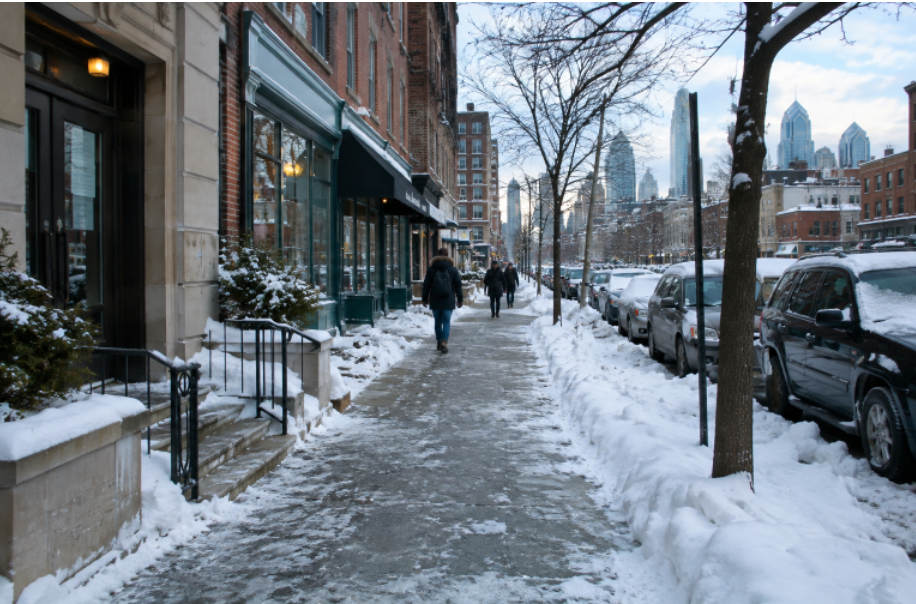
A serious fall on a Philadelphia sidewalk, apartment walkway, store entrance, or icy parking area can create more than a medical problem. It may involve property-control questions, weather conditions, snow-removal practices, insurance coverage, treatment records, and evidence that can disappear within hours. This non-ranked resource roundup explains how legal, medical, engineering, referral, legal aid, and property claim professionals can play distinct roles in a coordinated recovery process.
How This Resource List Was Created
This list focuses on organizations with a clear connection to the practical stages of a Philadelphia fall claim: evaluating potential negligence, documenting medical harm, analyzing physical conditions, locating appropriate legal help, resolving related stability issues, and separating bodily-injury questions from property-insurance concerns. Longevity, local relevance, published service areas, specialized expertise, and the ability to contribute useful documentation were all considered. The resources are complementary, not formal partners, and not every organization will be appropriate for every situation.
Why Sidewalk, Snow, And Ice Claims Need A Coordinated Approach
One fall can involve several fact questions. Philadelphia’s snow-removal rules generally require owners, agents, and tenants to clear a 36-inch-wide sidewalk path within six hours after snowfall ends, with a narrower 12-inch path allowed where the pavement itself is under three feet wide. The City’s snow-event guidance also explains the six-hour sidewalk-clearing expectation. That rule alone does not establish legal responsibility, but it may be one fact a lawyer investigates alongside notice, control of the property, maintenance records, and the condition of the walking surface.
For example, someone may slip on refrozen snow outside an apartment building. A complete review could require photographs, witness names, weather information, medical records, incident reports, and evidence identifying whether a landlord, tenant, contractor, or another party controlled the area. No attorney, expert, or medical provider can promise a settlement or outcome.
1. Philly Slip And Fall Guys
For focused help with premises liability matters, https://phillyslipandfallguys.com/ offers a Philadelphia practice specializing in slip, trip, and fall injuries.
Why It’s On The List
Philly Slip And Fall Guys is the central legal resource in this roundup because it handles slip-and-fall claims involving snow and ice, defective sidewalks, retail stores, apartments, and other unsafe property conditions. Founder Keith Kofsky has practiced law since 1992, and the firm has operated since 2003, with more than 30 years of legal experience and 23 years in operation as of 2026. The firm says it has helped hundreds of fall-accident victims and secured multiple multimillion-dollar verdicts and settlements.
Its work may include identifying responsible parties, preserving photos and witness information, reviewing incident and maintenance records, communicating with insurers, and assessing medical costs, lost income, rehabilitation needs, and long-term limitations. This coordination is especially useful when responsibility may involve a business, a landlord, a property manager, a contractor, or a public entity.
2. Philadelphia Bar Association Lawyer Referral And Information Service
Why It’s On The List
The Philadelphia Bar Association Lawyer Referral and Information Service can be a practical starting point when a person needs an attorney outside a firm’s focus, wants a second opinion, has a potential conflict issue, or is unsure whether the problem involves premises liability, workers’ compensation, municipal liability, or another practice area. A referral is not an endorsement or a guarantee of results. Before hiring counsel, ask about comparable case experience, fee arrangements, communication expectations, and the plan for preserving evidence.
3. ARCCA
Why It’s On The List
ARCCA provides Philadelphia-area forensic engineering and expert-witness services, including biomechanics, accident reconstruction, human factors, premises liability, failure analysis, and visual evidence. In a disputed fall, qualified technical analysis may help a legal team examine path-of-travel conditions, lighting, slope, surface defects, warning practices, and whether photographs support the reported mechanism of injury. An expert does not decide legal fault, but objective measurements and testing can help clarify physical issues that witness recollections alone may not resolve.
4. Fleisher Forensics
Why It’s On The List
Founded in 2002, Fleisher Forensics brings more than 20 years of forensic-engineering experience to matters involving premises liability, construction, codes, safety protocols, testing, and expert testimony. Its work may be useful where a broken sidewalk slab, drainage problem, uneven surface, or repeated freeze-thaw damage is alleged. Engineering analysis can help document the existing condition, explore likely causes, and distinguish technical findings from the attorney’s separate legal analysis.
5. Jefferson Health
Why It’s On The List
Jefferson Health offers orthopedic trauma and rehabilitation services, including Level I and Level II trauma centers within its network, as well as both inpatient and outpatient orthopedic rehabilitation options. Its orthopedic injury rehabilitation program reports that 100% of surveyed patients were satisfied and 100% felt prepared to go home, which are Jefferson’s reported patient measures rather than promises of individual outcomes. Prompt care should always be based on medical need, but records from emergency, orthopedic, rehabilitation, and follow-up care can document diagnoses, restrictions, treatment plans, and recovery progress.
6. Philadelphia Legal Assistance
Why It’s On The List
Philadelphia Legal Assistance can be a valuable access-to-justice resource for eligible low-income residents facing related challenges after a fall, such as health insurance barriers, housing instability, public benefits issues, or income disruption. It is not a replacement for a private injury attorney and may not take every personal injury claim. Its Medical-Legal Community Partnership serves 17 Philadelphia health centers and hospital-based sites, helping connect health-related legal needs with care settings. That support can be especially meaningful when recovery affects a person’s ability to keep housing, obtain benefits, or continue treatment.
7. Clarke & Cohen
Why It’s On The List
Clarke & Cohen is a public insurance adjusting and property-loss consulting firm established in Philadelphia in 1921. Its potential role is separate from a bodily-injury claim. For instance, a person dealing with a storm-related property loss and a fall injury may need to understand both a first-party property-insurance claim and a possible negligence claim. A public adjuster does not replace a premises liability lawyer, medical provider, or litigation expert. Anyone considering that service should review licensing, fees, scope, and potential conflicts before signing an agreement.
Evidence To Preserve After A Fall
- Photos or video showing the hazard, walking path, lighting, snow piles, drainage, warnings, and nearby entrances.
- The exact location, date, time, weather conditions, and names of witnesses.
- Any incident report, medical records, prescriptions, bills, work restrictions, and employer wage information.
- Footwear and clothing from the day of the fall, preserved without alteration when possible.
- Written notes made promptly while details about the surface condition and events remain fresh.
The strongest Philadelphia fall response is usually a coordinated one: appropriate medical care first, focused legal guidance, careful evidence preservation, and specialized support only when the facts call for it. By understanding each resource’s separate role, injured people can make more informed decisions without assuming that any one provider can resolve every part of a complex claim.
CLICK HERE FOR MORE BLOG POSTS
