
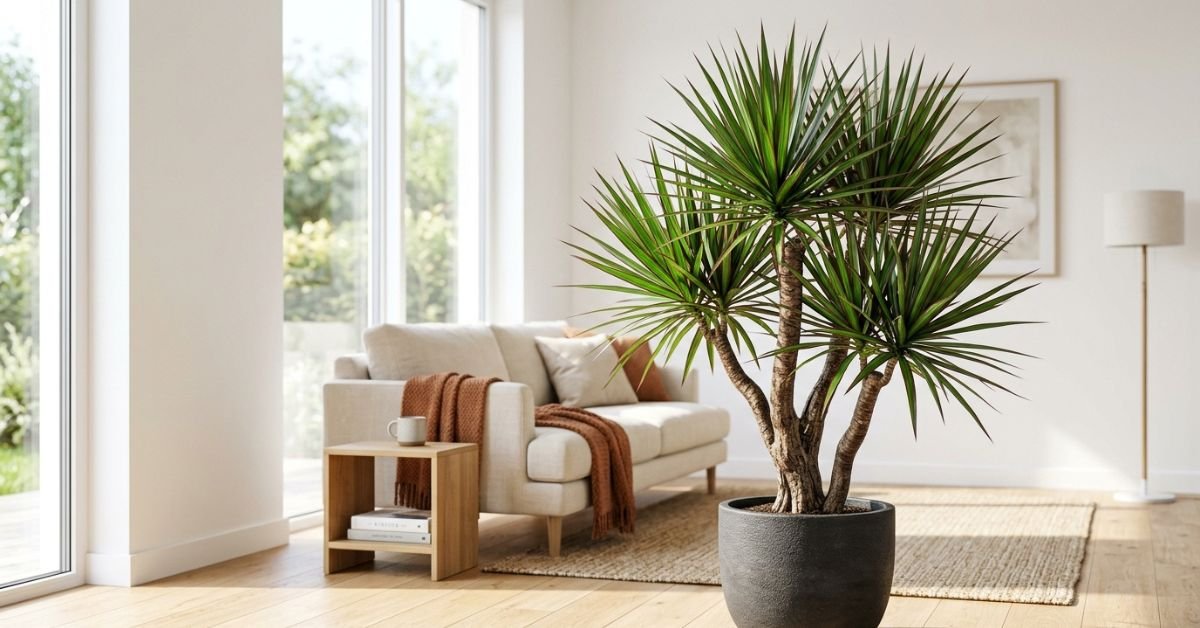
Dragon tree turns any corner into a focal point without demanding constant babysitting. If you’re hunting for a tall houseplant that tolerates average home conditions and forgives the occasional missed watering, Dracaena marginata delivers in spades.
In 2026, as more people seek resilient indoor greenery amid busy lives and variable indoor climates, this Madagascar native stands out for its longevity and sculptural beauty. We’ll dive into identifying the right variety, foolproof care routines, propagation tricks, troubleshooting brown tips or yellowing, toxicity considerations, and styling ideas so your plant stays healthy for years.
The Body (The Semantic Core & Depth)
What Is a Dragon Tree? Understanding the Plant
The dragon tree most people mean is Dracaena marginata, often called the Madagascar dragon tree. It features slender, cane-like stems topped with clusters of narrow, sword-shaped leaves edged in red or pink. Over time, it develops a tree-like habit with interesting bare stems and tufted tops.
There’s also the true Dracaena draco (Canary Islands dragon tree), a much slower, succulent-like outdoor specimen known for its umbrella shape and red sap (“dragon’s blood”). For most indoor growers, marginata is the star.
Best Dragon Tree Varieties for Homes
- ‘Tricolor’: Green leaves with red edges and creamy white stripes striking variegation.
- ‘Colorama’: Heavy pink/red variegation; needs brighter light to maintain color.
- ‘Bicolor’: Red and green striped leaves.
- Standard green with red margins: Most forgiving for lower light.
Newer selections often focus on compact forms or enhanced color retention.
Planting and Care Guide
Light: Bright indirect light is ideal. It tolerates lower light but grows slower with less vibrant color. Avoid direct harsh sun that scorches leaves.
Soil: Well-draining potting mix add perlite or orchid bark for aeration.
Watering: Let the top 1-2 inches dry out between waterings. Overwatering causes root rot; underwatering leads to brown tips. Reduce in winter.
Temperature & Humidity: 65-80°F (18-27°C). Average room humidity is fine; occasional misting helps in dry air.
Fertilizer: Balanced liquid fertilizer every 4-6 weeks during spring/summer.
Pruning & Repotting: Trim brown tips or cut stems to encourage branching. Repot every 2-3 years or when rootbound.
Propagation: Easy from stem cuttings in water or soil.
Design and Landscaping Ideas
Use as a floor plant in living rooms, offices, or bedrooms for height without width. Pair with lower growers like pothos or ferns. Great for modern, minimalist, or tropical interiors. Multiple canes in one pot create fuller looks.
Comparison Table: Popular Dragon Tree Varieties
| Variety | Leaf Colors | Light Needs | Growth Habit | Best For |
|---|---|---|---|---|
| Standard Marginata | Green with red edges | Medium-Bright | Tall, slender | Beginners, low light |
| Tricolor | Green, white, red | Bright indirect | Upright, dramatic | Colorful accents |
| Colorama | Pink, red, white | Bright | Compact to tall | Statement pieces |
| Dracaena draco | Blue-green, succulent-like | Full sun (outdoor) | Slow, tree-like | Warm climates, outdoors |
Common Problems and Solutions
Brown tips often signal dry air or fluoride in water (use distilled/rainwater). Yellow leaves usually mean overwatering. Pests like spider mites or mealybugs appear in dry conditions wipe leaves and treat with neem.
Myth vs Fact
- Myth: Dragon trees need constant moisture like tropical plants. Fact: They’re drought-tolerant once established and prefer drying out.
- Myth: They’re completely pet-safe. Fact: Toxic to cats and dogs (saponins cause vomiting, etc.) keep out of reach.
- Myth: They only thrive in high light. Fact: Very adaptable to medium light, though color fades slightly.
EEAT Reinforcement
After years sourcing and caring for hundreds of Dracaena in client homes and my own collection, the most common regret I see is overwatering or placing them in dark corners expecting full vigor. In 2025 tests, switching to rainwater and better drainage turned struggling ‘Tricolor’ specimens into vigorous growers within months. These plants reward patience and observation more than anything.
FAQs
Is dragon tree toxic to pets?
Yes, Dracaena marginata contains saponins that are mildly to moderately toxic to cats, dogs, and horses. Ingestion can cause vomiting, drooling, and lethargy. Keep out of reach or choose pet-safe alternatives.
How often should I water a dragon tree?
Water when the top 1-2 inches of soil feel dry typically every 1-2 weeks. Always check with your finger; it’s better to underwater than overdo it.
Why are my dragon tree leaves turning brown?
Brown tips usually result from low humidity, fluoride in tap water, or inconsistent watering. Trim tips and use filtered water for best results.
Can dragon tree grow in low light?
It survives in lower light but grows slowly with paler leaves. Bright indirect light produces the healthiest, most colorful foliage.
How do you propagate a dragon tree?
Take 4-6 inch stem cuttings, let them callus, then root in water or moist soil. New growth often emerges from the cut parent stem too.
How tall does a dragon tree get indoors?
Typically 6-10 feet over many years. Pruning keeps it manageable; it’s slow-growing, so perfect for long-term indoor use.
Conclusion
The dragon tree with its Dracaena marginata elegance, easy-care nature, and striking form brings lasting architectural interest to indoor spaces. From choosing the right variegated variety to mastering watering and handling common hiccups, these basics set you up for success.
CLICK HERE FOR MORE BOLOG POSTS

“In a world of instant takes and AI-generated noise, John Authers writes like a human. His words carry weight—not just from knowledge, but from care. Readers don’t come to him for headlines; they come for meaning. He doesn’t just explain what happened—he helps you understand why it matters. That’s what sets him apart.”