
Table of Contents
- Smart Home Technology
- Sustainable Building Materials
- Open-Concept Living Spaces
- Multi-Functional Rooms
- Outdoor Living Areas
- Community-Centric Designs
- Minimalist Aesthetics
- Conclusion
Modern home designs are transforming the landscape of new neighborhoods across the country. Innovative architects and builders are introducing elements that go beyond traditional aesthetics, creating living environments that emphasize sustainability, adaptability, and a strong communal spirit. For active adults and families considering their next move, exploring communities developed by Hoffman Homes and researching top-rated custom home builders in Oklahoma City OK for active adults can provide valuable insight into the latest trends that prioritize both comfort and long-term value.
As residential communities evolve, modern design principles are guiding the development of homes that are not only visually striking but also functionally superior. The latest approaches merge high-tech features with eco-friendly materials, generous open spaces, and a commitment to fostering neighborly bonds. This synergy leads to richer lifestyles for residents and more resilient, appealing neighborhoods overall.
Forward-thinking builders collaborate closely with homeowners to ensure that each design not only suits personal tastes but also meets the demands of a changing world. Flexible layouts, smart technologies, and eco-conscious building methods are now hallmarks of communities that attract discerning buyers. These forward-thinking changes not only benefit new residents but also serve as a model for sustainable urban planning elsewhere.
Understanding the components that make modern home designs so effective is key to making informed choices, whether you are buying, building, or simply renovating your space. Let’s explore how core elements such as smart technology, sustainability, and open-living concepts are changing how people experience home and community.
Smart Home Technology
The rise of smart home technology is fundamentally changing how we interact with our living spaces. Automated lighting, advanced security systems, and climate control can all be managed remotely, adding convenience and security to daily life. Smart systems also help homeowners track energy usage and optimize efficiency, making it easier to conserve resources and reduce costs. According to The New York Times Wirecutter guide to smart home devices, integrating these technologies can improve both comfort and peace of mind, which is why they have become a sought-after feature in modern communities.
Sustainable Building Materials
As environmental awareness grows, many builders now prioritize sustainable building materials when constructing new homes. Using locally sourced or recycled resources lowers the carbon footprint and frequently results in healthier indoor air quality. Materials like bamboo, reclaimed wood, or recycled steel are becoming increasingly common, not just for their green credentials but also for their durability and visual appeal. Sustainable design not only supports global efforts to reduce waste but also gives residents a tangible sense of stewardship and connection to their environment.
Open-Concept Living Spaces
Open-concept floor plans favor fluid spaces, allowing for better flow and enhanced family interaction. By minimizing the use of walls between common areas such as kitchens, dining rooms, and living spaces, these designs cater to both everyday living and entertaining. The adaptability of open spaces is especially valued in multi-generational homes, as it fosters togetherness while accommodating different needs. Open designs also maximize natural light, contributing to more uplifting and vibrant interiors.
Multi-Functional Rooms
Flexibility is a hallmark of modern home design. Homeowners increasingly want rooms that can adapt as lifestyles change. A single room might serve as a home office, guest suite, workout area, or study space. Movable partitions, fold-away furniture, and convertible storage solutions are just a few strategies designers employ to get maximum value from every square foot. These features make it easier for homes to evolve without major renovations, particularly as work-from-home trends and changing family dynamics shift the ways in which people live.
Outdoor Living Areas
Interest in outdoor living spaces has soared in recent years, with patios, decks, fire pits, and outdoor kitchens becoming must-have additions for many new homes. These elements extend the functional area of a residence while promoting wellness and socialization. Outdoor spaces also facilitate greater engagement with neighbors, strengthening the bonds that make communities thrive. The integration of both public and private outdoor areas enhances the quality of life by encouraging regular interaction with nature and providing space for recreation and relaxation.
Community-Centric Designs
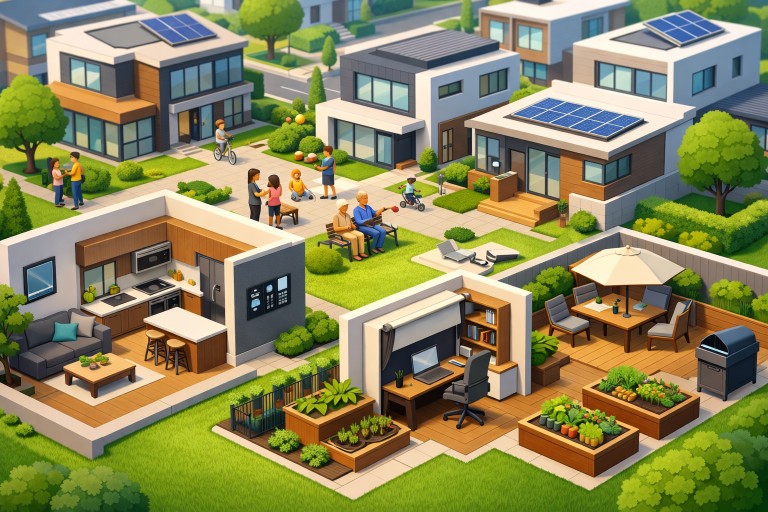
Another defining feature of modern home designs is the integration of community-centric spaces. Neighborhoods are increasingly built around shared amenities like parks, gardens, and recreational centers. These communal spaces invite residents to connect, nurture relationships, and participate in neighborhood activities, creating a supportive network that enriches daily living. The sense of belonging fostered by such designs is essential for cultivating stable, attractive communities where people want to live long-term.
Minimalist Aesthetics
Minimalism continues to be a prevailing influence in modern home design. Simple, uncluttered layouts, neutral color schemes, and emphasis on functionality create relaxing and efficient living environments. This approach appeals to those who value calm, easy-to-maintain spaces, and it complements other modern trends such as sustainability and open-concept layouts. Minimalist homes often feel more spacious and organized, supporting a lifestyle that prioritizes well-being and clarity.
Conclusion
The ongoing evolution of home design is profoundly impacting how new communities are planned and built. Innovations such as smart technology, sustainable materials, open living arrangements, flexible rooms, inviting outdoor spaces, and community-focused layouts are redefining what it means to feel truly at home. As these trends gain momentum, they offer homeowners a unique opportunity to enjoy greater comfort, connection, and environmental responsibility.

MOBI ROLLER is a tech enthusiast with a background in technology. He writes about the latest trends, tools, and innovations in the tech world, sharing insights based on both knowledge and experience.