

Key Takeaways
- Tooth pain can signal a range of dental issues, from cavities to infections and even more serious conditions.
- Ignoring tooth pain may lead to more severe problems and costly treatments down the road.
- Persistent pain, changes in gum or tooth appearance, and lingering bad breath should prompt a dental visit.
- Regular dental check-ups and good oral hygiene are the best ways to prevent tooth pain.
Tooth pain is one of the most common reasons people visit the dentist. However, even mild discomfort can be a sign that something much more significant is brewing beneath the surface. Understanding the signals your mouth is sending you can help protect both your teeth and your overall health. If you are experiencing tooth pain, it’s important to listen to your body and seek help from a professional, such as those at dentistsofhinsdalelake.com. Oral discomfort is never just a minor inconvenience. Tooth pain often means that an underlying dental problem, from cavities to infections and even gum disease, could be actively progressing. Timely diagnosis and intervention are critical in preserving your oral health, so do not ignore the warnings your mouth is sending you.
Understanding Tooth Pain and What It Means
Tooth pain can be sharp, dull, constant, or intermittent. Each sensation often points to a specific underlying condition. For example, intense, stabbing pain may suggest a cracked tooth or an advanced cavity, whereas ongoing dull pain could indicate an infection forming in the roots, also known as an abscess. Sensitivity to hot or cold foods and drinks may result from thinning enamel or receding gums, exposing the more sensitive layers of your teeth. Recognizing the type and timing of your pain, as well as other accompanying symptoms, is helpful information for your dentist. Schedule an appointment if you notice any pain that persists for more than a day or two, as untreated issues can get worse quickly. Other common causes of discomfort include bruxism (teeth grinding) and gum disease. Both can exert pressure on the teeth and supporting tissues, eventually causing pain and even tooth loss if not managed promptly.
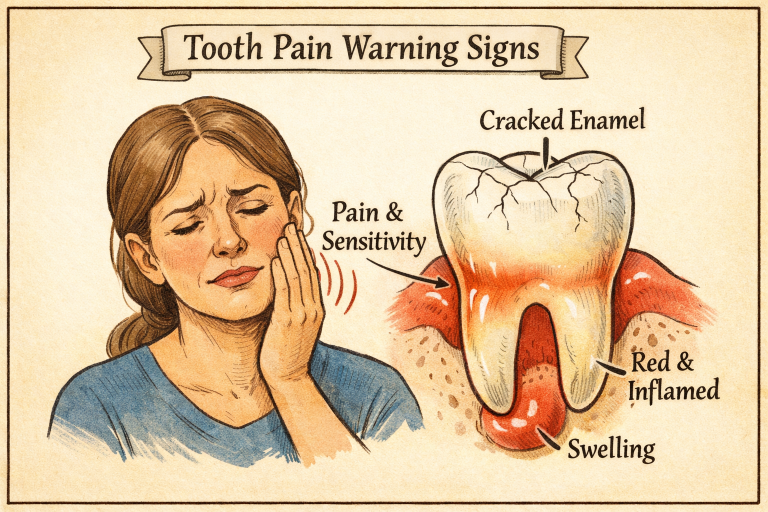
Warning Signs Your Mouth Wants You to Notice
Persistent Toothache
If you are experiencing a persistent toothache, do not hope it will go away on its own. It is often a symptom of deeper issues, such as severe decay, an infection within the tooth, or impacted wisdom teeth. These conditions will not resolve on their own and can threaten your overall oral health if left untreated.
Swollen or Bleeding Gums
Swollen, inflamed, or bleeding gums are hallmarks of gingivitis or periodontitis, both of which can cause severe pain. These oral infections can destroy the gum tissue and bone structure supporting your teeth. Healthy gums do not bleed, so if yours do, visit your dentist as soon as possible for a thorough evaluation and cleaning.
Sensitivity to Temperature
Sensitivity when consuming hot or cold foods usually happens due to enamel erosion, exposed tooth roots, or tiny cracks in your teeth. Even if the pain is occasional, it points to loss of the protective layer of your teeth and is worth discussing with your dentist to prevent progression.
Visible Changes in the Mouth
White, red, or dark spots, unexplained sores, or the appearance of pimples on the gums may seem minor, but they can have serious implications. These symptoms can indicate an infection, an abscess, or even oral cancer. Early diagnosis is crucial for successful treatment.
Loose or Shifting Teeth
If you notice that your teeth feel loose or are moving, this could be a sign of advanced gum disease, bone loss, or injury. Adult teeth should never feel unstable. Seek immediate dental care to determine the exact cause.
The Connection Between Oral and Overall Health
Oral health is closely linked to overall health. Untreated dental pain and infections can lead to more severe conditions, including heart disease, diabetes complications, and even systemic infections. Poor oral health can increase your risk for numerous serious medical problems. This is why it is so important to see a dentist as soon as you notice any signs of trouble. The National Institute of Dental and Craniofacial Research provides more details about the various causes and types of dental pain in their tooth decay resources.
When to See Your Dentist
If you experience any of these symptoms, it is time to make an appointment:
- Pain that lasts more than one or two days
- Swelling inside the mouth or around the jaw
- Red, swollen, or bleeding gums
- Visible cracks, chips, or other changes in teeth
- Persistent bad breath or abnormal tastes
- Loose, shifting, or misaligned teeth
Waiting for symptoms to become unbearable only adds to possible complications and more intensive treatments. Early intervention is best for resolving most dental problems quickly and with less discomfort.
Prevention: The Key to Healthy Teeth
Good oral hygiene, brushing at least twice a day, daily flossing, and regular use of fluoride, is necessary for preventing many oral health problems. Additionally, routine dental check-ups and cleanings allow your dentist to spot and treat potential issues before they become painful or costly to fix. If you are due for a dental visit or notice any of the warning signs discussed, take action to protect your health. Professional guidance can make all the difference in maintaining a strong, confident smile and avoiding more serious health complications in the future.
Conclusion
Tooth pain should never be ignored, as it is often an early warning sign of underlying dental problems that can worsen over time if left untreated. From cavities and gum disease to infections and enamel damage, the causes of oral discomfort vary, but all require timely attention to prevent further complications. Recognizing symptoms such as persistent pain, gum changes, sensitivity, or visible damage can help you seek care before issues become more serious and costly. Because oral health is closely linked to overall health, promptly addressing dental pain is essential for protecting both your smile and your well-being. With consistent oral hygiene habits and regular dental check-ups, you can reduce your risk of tooth pain and maintain a healthier, more confident smile for the long term.

MOBI ROLLER is a tech enthusiast with a background in technology. He writes about the latest trends, tools, and innovations in the tech world, sharing insights based on both knowledge and experience.