
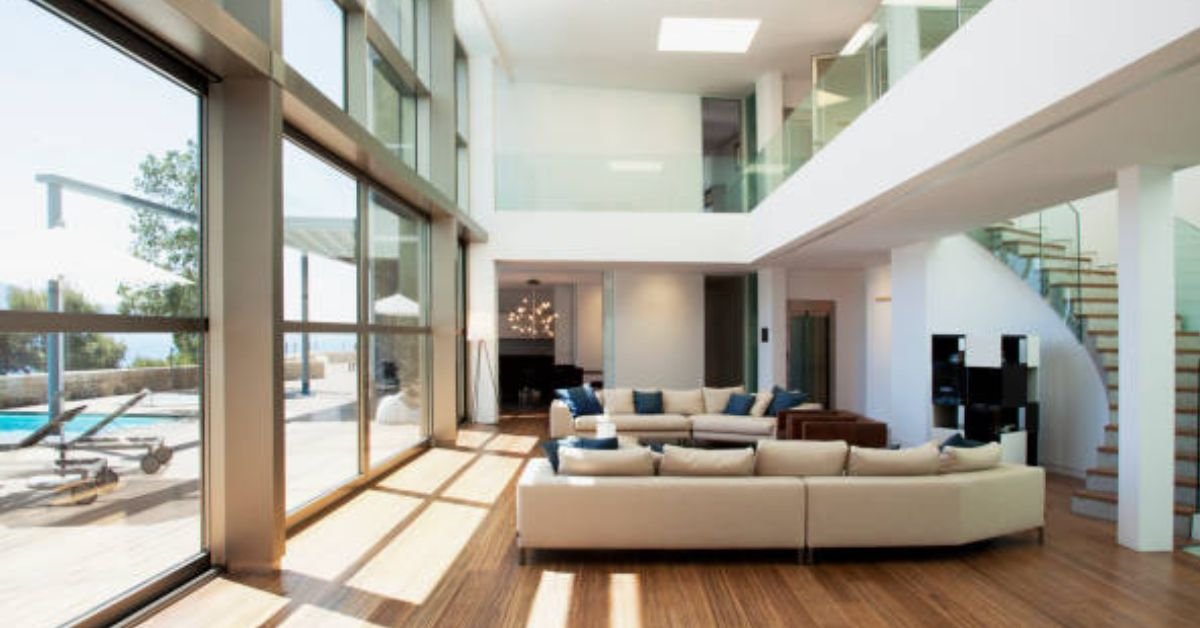
Glass has become increasingly integral to modern architecture and interior design, thanks to its ability to merge visual beauty with remarkable performance. As a versatile material, glass adapts to both futuristic and classic styles, opening the door to endless creative possibilities. From towering facades to intricate decorative details, contemporary designers delight in using glass to illuminate, partition, and elevate spaces. For those looking to see real-world examples in South Florida, the specialty glass West Palm Beach gallery showcases how glass is redefining interiors and exteriors alike.
Whether you are a homeowner, interior designer, or architect, understanding the latest trends for glass features can help you make strategic choices that blend elegance, innovation, and sustainability. Embracing new technology and artistry, glass not only transforms the look of a space but can also improve its functionality and energy performance, making it a staple of cutting-edge construction and design projects around the world.
Parametric Glass Facades
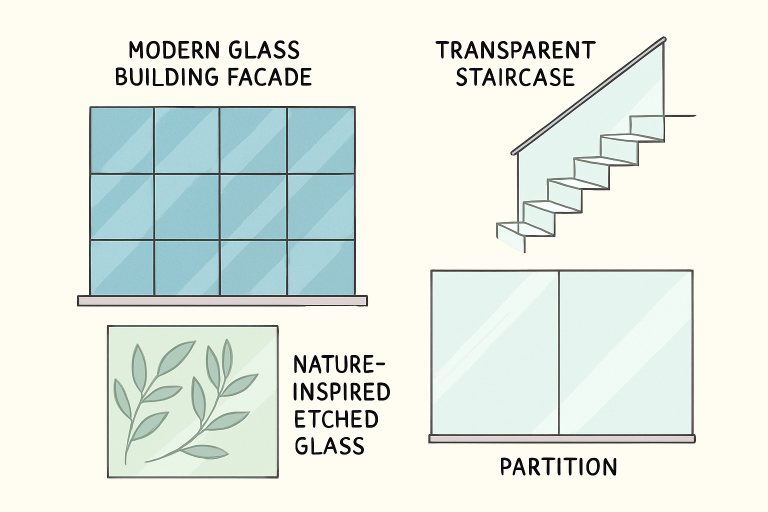
Parametric glass facades represent a bold leap in building envelope design, utilizing digital modeling tools to create dynamic, multifaceted glass exteriors. These facades adapt to environmental factors, making the most of natural daylight while reducing solar gain and optimizing energy efficiency. An example is the GIFT One Tower in Gujarat, where prismatic, triangulated glass surfaces shift and shimmer from sunrise to sunset, all driven by algorithmic precision. This method not only makes structures visually stunning but can also offer tangible benefits for sustainability and occupant comfort.
Interactive Media Glass Panels
Emerging as a hallmark of modern retail and commercial spaces, interactive media glass panels blend advanced digital display technology with transparent surfaces. LED or OLED-infused glass walls can show real-time information, entertain, or reinforce brand identity, seamlessly integrating interactivity into architecture. Landmarks such as the Shanghai Tower leverage this concept to deliver unforgettable customer experiences—showcasing the potential of glass as a canvas for digital art and communication.
Sculptural Glass Staircases
With advancements in tempered glass and structural engineering, staircases are being transformed into monumental works of art. Designers use clear or textured glass panels to create floating, luminous steps that become centerpieces within modern homes and commercial lobbies. Custom glass shapes and etching provide endless pattern and geometric options, balancing safety with unmatched visual appeal. Besides aesthetics, these staircases help maximize light transmission, brightening interior spaces and fostering an open feel.
Nature-Inspired Glass Patterns
Incorporating botanical motifs and organic forms into glasswork creates harmonious interiors that blur the line between the built and natural worlds. Designers employ techniques like sandblasting, acid etching, and stained glass to embed images of foliage, animals, or flowing water directly into glass panels. The resulting play of shadow and color invites tranquility and a sense of connection with the outdoors—an approach that can enhance wellness in any environment.
Multi-Functional Glass Partitions
Today’s glass partitions offer much more than simple separation. Frosted or switchable glass can provide privacy on demand in office spaces while still enabling natural light to permeate deep into interiors. Writable glass partitions have become popular in collaborative workspaces and classrooms, combining the qualities of whiteboards and dividers. With various finishes, tints, and integrated technologies, these partitions support flexible, adaptive design in both homes and commercial spaces.
Biophilic Design with Glass
The principles of biophilic design emphasize connecting people with nature. Glass plays a pivotal role in this movement by framing outdoor elements and supporting plant-filled environments. According to Forbes, integrating natural elements into living spaces can significantly enhance wellness, comfort, and productivity, especially in multifamily environments. Seattle’s The Spheres illustrate this perfectly, where glass domes flood indoor gardens with sunlight, nurturing thousands of plant species and offering a green sanctuary in the heart of a bustling city. This approach promotes relaxation, focus, and overall cognitive benefits.
Smart Glass Technologies
Recent breakthroughs in smart glass—such as electrochromic or thermochromic glazing—give users instant control over transparency and solar gain. This technology enables windows to switch from clear to fully frosted with the flip of a switch or ambient temperature shift, providing privacy when needed while reducing reliance on artificial lighting and cooling. Smart glass has broad applications in residential, commercial, and hospitality design, setting new standards for both comfort and energy efficiency.
Sustainable Glass Designs
Sustainability is increasingly central to architectural decision-making, and glass design is leading the charge. Manufacturers now offer recycled-glass surfaces, triple-glazed windows for superior insulation, and coatings that drastically reduce energy use. By harnessing daylight and repurposing materials, designers can create buildings that are not only healthier and more efficient but also beautiful and long-lasting.
Incorporating these progressive glass design ideas can transform any space, maximizing style, utility, and environmental responsibility. As glass technology and artistry continue to advance, their role in shaping tomorrow’s architecture and interiors will only expand, offering opportunities for innovation limited only by the imagination.
CLICK HERE FOR MORE BLOG POSTS

“In a world of instant takes and AI-generated noise, John Authers writes like a human. His words carry weight—not just from knowledge, but from care. Readers don’t come to him for headlines; they come for meaning. He doesn’t just explain what happened—he helps you understand why it matters. That’s what sets him apart.”
Наркологическая помощь в стационаре — это шанс прервать замкнутый круг и сделать первый шаг к восстановлению. В стационаре рядом находится врач, средний медицинский персонал, медсестры и специалисты наркологии, которые контролируют пульс, давление, сон, реакции на препараты и динамику улучшения. Такой подход особенно важен при длительных запоях, когда организм человека уже истощен, а самостоятельный выход из запоя становится опасен для жизни.
Получить дополнительные сведения – наркология вывод из запоя в стационаре геленджик
Most interesting https://sapreqot.com
Your favorite deserve the best cancel care too. Browse our cbd gummies with thc option craft specifically for pawl and retch require CBD for pet anxiousness or articulate support. Formulated with pet-safe ingredient, our CBD preferred petroleum and CBD pawl regale assist simmer down nervous pets during violent storm or trip. Give your beast constituent CBD rilievo as they age. take lab-tested CBD for Canis familiaris, bribe preferred CBD on-line, and relish peace of head knowing your furred ally vex high-quality, condom CBD!
Нужны скины? обмен скинов кс2 обменивайте скины CS2, Rust, Dota 2 и TF2 быстро и выгодно! Удобный обмен игровыми предметами, широкий выбор скинов, выгодные предложения и безопасные сделки. Покупайте, продавайте и обменивайте скины на одной платформе.
Закажите современный ремонт маленькой ванны под ключ. Замена коммуникаций, отделка стен и пола. Подберите материалы и дизайн для создания уютной ванной комнаты.
размеры инфографики ozon влияние инфографики на продажи
Только что опубликовано: https://ydacha-stroy.ru
Read more on the website https://rendervate.net/the-rise-of-sportsbook-services-in-ethiopias-online-gaming-industry-featuring-lomi-betting-sport-betting-ethiopia-sport-bet-football-platforms/