
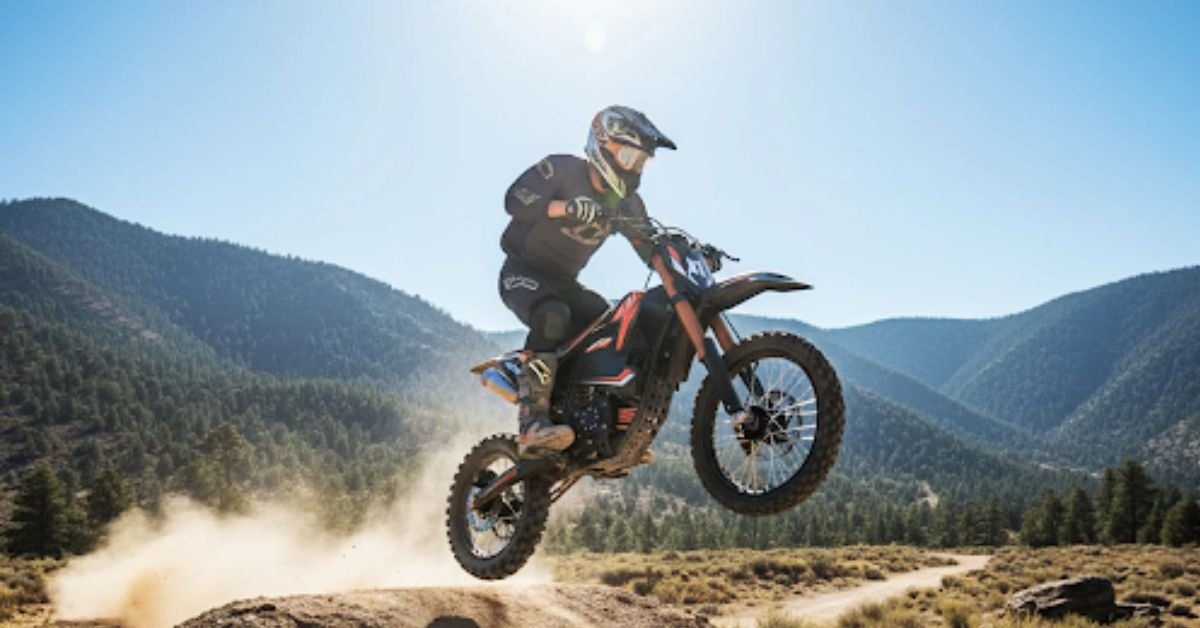
At first glance, speed feels like the easiest way to judge a bike. It’s clear, measurable, and instantly impressive. But the moment the ride actually begins, that number fades into the background. What stays is not how fast the bike can go at its peak, but how it behaves in every second that follows, especially when conditions are less than perfect.
Why Speed Is Often Overvalued
The idea that faster is always better is easy to understand. It comes from instinct as much as marketing. Riders naturally associate higher numbers with stronger performance, while product descriptions often reinforce that belief by putting speed at the center of attention. Over time, this creates a habit of judging bikes based on their top speed alone, even though that number says very little about how the ride will actually feel in real conditions.
There is also a psychological factor at play. Speed is simple to compare, while qualities like control or stability are harder to quantify. As a result, riders tend to rely on what is easiest to understand, even if it does not fully reflect the riding experience. This makes top speed an appealing but incomplete measure of performance.
Speed Alone Doesn’t Define the Riding Experience
The difference becomes clear as soon as riding conditions become less predictable. Acceleration is only one part of the experience. What matters more is how smoothly the bike responds, how stable it feels across different surfaces, and how much effort it takes to stay in control. A machine that feels inconsistent can quickly become tiring, even if it offers impressive speed.
On the other hand, a well-balanced electric dirt bike often feels more capable in everyday use because it delivers power in a way that riders can rely on. The ride becomes easier to manage, which makes it more enjoyable over time. This is where perception starts to shift. Riders begin to value consistency and control over raw output.
That shift is especially noticeable during longer rides. When the bike responds predictably, the rider spends less energy correcting small mistakes or adjusting to unexpected behavior. Over time, that ease of control becomes a much more important factor than peak speed.
Where Higher Speed Actually Adds Value
There are still moments where speed plays an important role. On open terrain, it allows riders to move efficiently and maintain flow without feeling restricted. In off-road situations, it can provide the extra momentum needed to carry through loose surfaces or climb uneven ground without hesitation.
In these cases, speed is not about pushing limits, but about having enough reserve when conditions demand it. Riders are not constantly chasing higher numbers. Instead, they rely on that extra capability only when it becomes necessary, which changes how speed is experienced overall.
It also adds a sense of confidence. Knowing that the bike has more power available than currently needed allows the rider to focus on the terrain rather than worrying about limitations. That reserve becomes part of the overall riding comfort.
How Modern Electric Dirt Bikes Change the Way Speed Feels
The way speed is delivered has changed significantly with newer electric systems. Instead of building gradually or arriving in bursts, power is applied more directly and predictably. This makes it easier for riders to stay connected to the bike, even when performance levels are high.
On afastest electric dirt bike, this difference is especially noticeable. The available power does not feel disconnected from the rider’s input. Instead, it responds in a way that feels controlled and consistent, which reduces unnecessary tension. This allows speed to be used more naturally, without turning every acceleration into a moment of adjustment.
Another important aspect is how quiet and smooth the experience feels. Without the noise and vibration of traditional engines, riders can better sense how the bike interacts with the terrain. This added awareness makes it easier to manage speed in a controlled way.
A Better Riding Experience Comes from Balance, Not Just Speed
As riders gain more experience, the focus shifts toward balance. Power, control, and stability begin to matter more as a combined system rather than separate features. A bike that feels balanced allows the rider to move through different conditions without constantly compensating or correcting.
This balance is what defines a truly satisfying ride. Speed remains part of the equation, but it no longer dominates the experience. Instead, it works together with other elements to create something that feels smooth, predictable, and easy to manage. Some approaches in the market, including those explored by Qronge, reflect this shift by focusing more on how the bike performs across real riding situations rather than emphasizing a single performance metric.
When these elements align, the ride becomes more intuitive. Riders spend less time thinking about how to control the bike and more time enjoying where they are going.
A Smooth and Controlled Ride Defines the Experience
In the end, riders rarely remember the highest speed they reached. What stays with them is how the bike felt throughout the ride. Whether it was easy to control, whether it remained stable across different conditions, and whether it allowed them to stay relaxed rather than constantly reacting.
That is what defines a better riding experience. Not the peak number, but the consistency of the ride itself. A bike that feels natural and predictable will always leave a stronger impression than one that simply delivers more speed without the same level of control.
Over time, this is what shapes long-term satisfaction. Riders return to bikes that feel right to use, not just those that perform well on paper.
ALSO READ: Top Benefits of Using a Standards Compliance Intelligence Portal for Regulatory Readiness
