
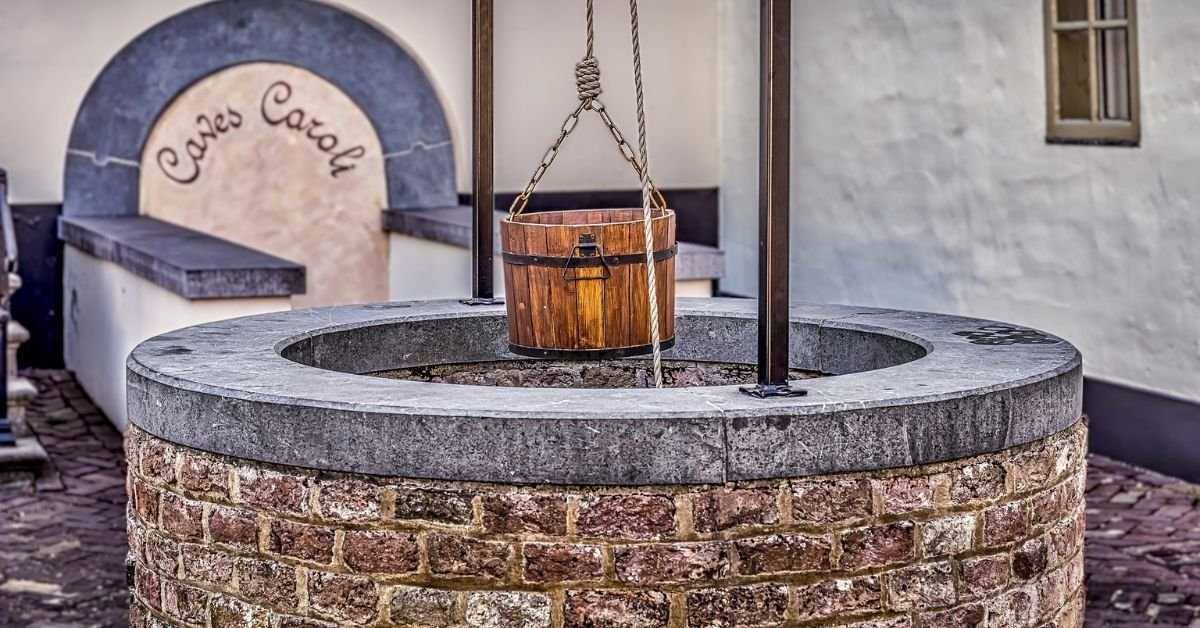
Florida’s distinctive geology and climate present unique challenges for private well owners. Maintaining a safe and reliable water supply requires understanding these issues and implementing effective solutions. For residents in the Tampa area, services like pump supply Tampa offered by Hillsborough Pump & Well Drilling LLC are essential. This third-generation family-owned company specializes in well drilling and pump services throughout Hillsborough County, providing efficient, affordable solutions for residential and commercial clients.
Common Contaminants in Florida Well Water
Florida’s aquifers often contain minerals and compounds that can affect water quality. Common contaminants include:
- Iron and Manganese: These minerals can cause staining on fixtures and laundry, and impart a metallic taste to the water.
- Hydrogen Sulfide: Recognized by a “rotten egg” smell, this gas can be both unpleasant and corrosive.
- Bacteria and Nitrates: These contaminants can pose serious health risks if present in drinking water.
According to the Florida Department of Health, regular testing is recommended to monitor these contaminants.

Health Risks Associated with Contaminated Well Water
Contaminated well water can lead to various health issues, including gastrointestinal illnesses, neurological disorders, and developmental problems in children. For instance, exposure to high levels of nitrates is particularly dangerous for infants, potentially causing methemoglobinemia, or “blue baby syndrome.”
Besides nitrates, the presence of coliform bacteria in well water can indicate contamination from human or animal waste, increasing the risk of diseases such as dysentery, hepatitis, and other gastrointestinal illnesses. Long-term consumption of contaminated water can lead to cumulative health effects that may not become evident until much later, highlighting the importance of vigilance and consistency in testing and treatment. Individuals with weakened immune systems, such as the elderly or those with chronic illnesses, are at even greater risk, so additional caution and more frequent testing may be recommended in these households.
Importance of Regular Well Water Testing
Regular testing is vital to ensure the safety of well water. The Florida Department of Health recommends annual testing for bacteria and nitrates. Homeowners should also consider testing for other contaminants based on local land use and environmental conditions.
Testing should not be limited to only the contaminants typically found in Florida’s groundwater. If your property is near agricultural, industrial, or mining sites, you may need to test for pesticides, herbicides, heavy metals, and volatile organic compounds. Testing after flooding, construction, or known chemical spills is essential to promptly identify and address sudden changes in water quality. Using certified laboratories for water analysis ensures accuracy and gives well owners the data needed to make informed decisions about necessary treatments.
Effective Treatment Options for Well Water
Addressing well water issues often requires specific treatment methods:
- Water Softeners: Effective for removing hardness caused by calcium and magnesium.
- Oxidizing Filters: Used to eliminate iron and hydrogen sulfide.
- Reverse Osmosis Systems: Suitable for removing nitrates and other dissolved solids.
Consulting with professionals can help determine the most appropriate treatment for your specific water quality issues.
In addition to the methods mentioned, ultraviolet (UV) disinfection systems can effectively kill bacteria, viruses, and protozoa without the use of chemicals. Activated carbon filters provide additional protection by removing certain chemicals, odors, and tastes, and can be a great complement to other treatment systems, especially in removing chlorine by-products or organic contaminants. When implementing a water treatment solution, it’s important to schedule regular maintenance to replace filters, check system performance, and verify improvements in water quality. Unmaintained systems can become ineffective or even inadvertently introduce contaminants into the water supply.
Case Study: Addressing Well Water Issues in Tampa
In Tampa, residents have faced challenges with well water quality, including contamination from agricultural runoff and industrial pollutants. Engaging with local experts can provide tailored solutions. This company specializes in pump supply in Tampa and offers comprehensive services to ensure clean and safe well water for the community.
For example, one local resident experienced frequent sulfur odors and rusty stains on bath fixtures. After a thorough inspection and water analysis conducted by a licensed professional, the well was equipped with an oxidizing filter system and a new submersible pump designed for Florida’s unique aquifer conditions. Follow-up testing showed significant improvement in both taste and clarity, and the client was able to enjoy water free from unpleasant odors and stains. This case highlights the advantages of personalized assessment, professional installation, and ongoing maintenance for lasting, high-quality well water.
Preventive Measures for Maintaining Well Water Quality
To maintain well water quality, homeowners should:
- Conduct regular inspections of the well system.
- Ensure proper well construction and sealing.
- Keep hazardous materials away from the well area.
- Monitor changes in water taste, color, or odor.
Implementing these measures can help prevent contamination and ensure a safe water supply.
It’s important to maintain a clear area around the well head, free of debris, fertilizers, and chemicals, and to ensure the well casing extends above ground level and is properly capped. Homeowners should visually inspect their well components for signs of damage and, after severe storms or floods, check for any structural changes or water-quality issues. When landscaping, avoid heavy use of pesticides or herbicides near the well. Scheduling professional well inspections every two to three years can catch potential problems early, safeguarding your water supply for years to come.
Conclusion
Maintaining the quality of well water in Florida requires awareness of potential contaminants, regular testing, and appropriate treatment methods. By taking proactive steps and consulting with professionals, homeowners can ensure their well water remains safe and reliable.
With Florida’s growing population and increasing demands on its natural resources, the importance of responsible well ownership continues to rise. Staying informed about local water quality issues, advancements in treatment technologies, and best practices in well care provides peace of mind and contributes to your family’s health and well-being. Engaging reputable service providers in the Tampa region, such as Hillsborough Pump & Well Drilling LLC, ensures you have access to experienced professionals who understand the unique factors influencing water supplies in the state. Through vigilance, prevention, and expert support, Florida well owners can enjoy clean, dependable water year after year.
CLICK HERE FOR MORE BLOG POSTS

“In a world of instant takes and AI-generated noise, John Authers writes like a human. His words carry weight—not just from knowledge, but from care. Readers don’t come to him for headlines; they come for meaning. He doesn’t just explain what happened—he helps you understand why it matters. That’s what sets him apart.”