

Key Takeaways
- Succession planning is a vital safeguard for business stability and continuity.
- Identifying and training potential leaders in advance eases transitions and reduces risk.
- Reviewing your succession plan regularly maintains alignment with changing business needs.
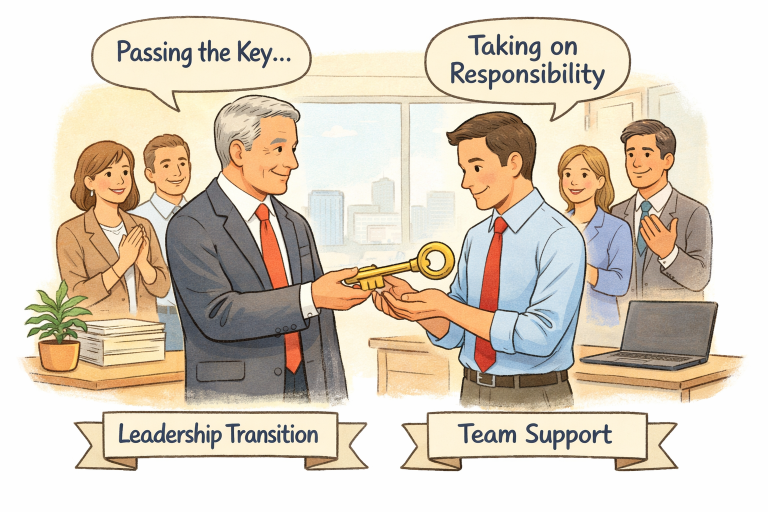
To ensure your business can thrive for generations, it is essential to develop a robust succession plan. This structured approach will help you prepare for inevitable leadership transitions, secure operational continuity, and protect your company’s legacy. For a detailed guide and real-world examples, see this overview on legacy and succession planning for business owners. Proactively planning how leadership roles will be filled, along with integrating estate strategies, offers owners and stakeholders certainty about their organization’s direction.
Implementing succession planning gives you a strategic edge. It positions your organization to handle unexpected departures, capitalize on existing talent, and maintain stability even through transformative periods. Well-thought-out planning supports both short-term performance and long-term growth, while also reassuring employees and stakeholders that your business has a clear future.
Understanding Succession Planning
Succession planning is the process of identifying and nurturing future leaders within your organization. It formally prepares your business to handle vacancies in key positions, whether caused by planned retirements or unexpected departures. An effective succession strategy includes assessing internal talent, preparing them for greater responsibility, and building a culture that values leadership development.
This disciplined approach is not just about senior executives. Businesses should consider critical positions across all departments, recognizing that knowledge loss or operational gaps in other roles can disrupt performance and morale. Organizations that integrate systematic succession planning are consistently better equipped to compete, adapt, and thrive during leadership changes.
Steps to Effective Succession Planning
- Identify Key Positions: Determine which roles have the most significant impact on daily operations and future growth. Prioritize positions that are hardest to replace or crucial to your mission.
- Assess Internal Talent: Carefully review employees’ skills, experiences, and alignment with the company’s values. Conduct regular performance reviews and look for consistency and potential in both day-to-day tasks and special projects.
- Develop Successors: Invest in targeted training and professional development. Assign prospective successors challenging tasks, mentorships, and cross-functional assignments. This prepares them for broader leadership roles while exposing early knowledge gaps.
- Document Processes: Record essential workflows, decision chains, and contacts. Clear documentation enables smoother knowledge transfer and reduces the risk of disruptions during transitions.
- Implement a Timeline: Plan when transitions should occur and outline the steps necessary for a successful handoff. Establish benchmarks and checkpoints to measure readiness.
- Review and Update Regularly: Revisit the succession plan annually or whenever business strategies evolve or key personnel leave. Keep it flexible to adapt to shifts in market conditions or unexpected changes within your ranks.
Benefits of Succession Planning
Building a sustainable future through succession planning provides multiple advantages. First and foremost, it keeps your business running smoothly during leadership changes. This continuity protects value and reduces the risk of operational errors. Additionally, clear succession strategies improve employee engagement by showing that internal growth is valued. Developing talent internally also improves retention, since employees recognize your commitment to their advancement. According to the Harvard Business Review, organizations with robust succession plans enjoy greater resilience and a more adaptable workforce.
- Business Continuity: Smooth leadership transitions help protect your operations and customer relationships.
- Employee Morale: Demonstrating a commitment to career growth builds engagement and reduces turnover.
- Risk Mitigation: Reduces the negative impact of the sudden loss of key staff members or executives.
- Strategic Alignment: Ensures leadership development is in sync with your long-term business goals.
Common Challenges and Solutions
Despite the advantages, many businesses struggle to execute or maintain their succession plans. Resistance to change is a frequent barrier, especially when current leaders are reluctant to discuss retirement or share knowledge. Overcoming this requires fostering an open culture and communicating the benefits of development to all involved.
- Resistance to Change: Build a transparent culture that supports development opportunities and communicates clearly how transitions benefit all staff, as highlighted by Forbes’ Business Council.
- Identifying Suitable Candidates: Use objective assessments, standardized evaluations, and leadership development tools for unbiased identification.
- Resource Constraints: Treat succession planning as an investment, ensuring business resilience, rather than a non-essential expense.
Integrating Estate Planning with Succession Planning
Estate planning and succession planning are closely linked, particularly for family-owned or closely-held businesses. Merging these plans helps maximize value, reduce taxation, and provide the flexibility needed for a variety of exit strategies. Owners with a comprehensive approach can specify what happens to shares, leadership, and other key assets, whether they’re passing the business on within the family or preparing for a sale. This integration creates a stable environment for successors and provides peace of mind that your business legacy will continue as you wish.
Conclusion
Future-proofing your organization starts with intentional, ongoing succession planning. By mapping out key roles, identifying and developing your next generation of leaders, and keeping your strategy up to date, you can navigate leadership transitions smoothly and protect what you’ve built. Regularly revisiting your plan and aligning it with your broader business and estate goals will ensure your company’s success and legacy for years to come.

MOBI ROLLER is a tech enthusiast with a background in technology. He writes about the latest trends, tools, and innovations in the tech world, sharing insights based on both knowledge and experience.