
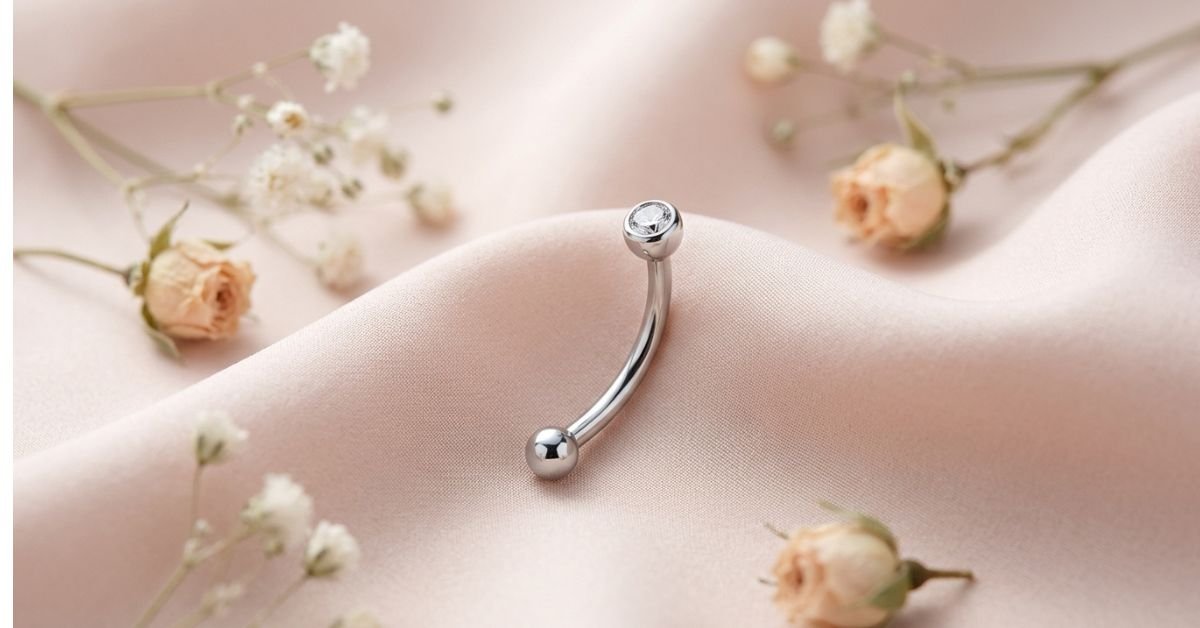
A Christina is a vertical surface piercing located where the outer labia meet at the top of the vulva, extending upward onto the mons pubis (the fleshy pubic mound). It sits in the “cleft of Venus,” creating a clean, elegant line that draws the eye without interfering with the clitoris or inner structures.
It’s purely ornamental. The jewelry doesn’t usually contact sensitive nerve endings in a way that enhances pleasure for most people. Many choose it because it looks beautiful in lingerie, during intimacy, or simply as a private boost of self-expression.
Anatomy and Eligibility: Not for Everyone
This is the make-or-break part. Success depends heavily on your individual anatomy specifically, having enough pinchable skin or a pronounced fold where the outer labia meet the pubic mound. If the area is very flat, the piercing has a much higher chance of rejecting or migrating.
A skilled piercer will examine you in person and often mark it with a temporary tool to check alignment and depth. Thin or minimal tissue usually means it’s not viable. This honesty upfront saves disappointment later.
Quick eligibility checklist:
- Sufficient skin fold above the clitoral hood
- No active infections or skin conditions in the area
- Realistic expectations about healing time and potential rejection
- Commitment to aftercare for many months
The Procedure: What to Expect
The process is straightforward but intimate. After consultation and marking, the piercer uses a hollow needle to create the vertical channel. Most people describe the actual piercing moment as a sharp pinch or intense pressure lasting just a few seconds. Pain ratings typically land around 3-6 out of 10, depending on your tolerance and anatomy.
Initial jewelry is almost always a curved barbell or custom surface bar made from implant-grade titanium or high-quality gold to minimize irritation. Straight barbells increase rejection risk.
Healing Time, Pain, and Aftercare
Healing takes longer than most genital piercings typically 6-12 months for full settling, with some people needing even more time due to friction from clothing and daily movement.
During healing you can expect:
- Initial soreness and swelling for 1-2 weeks
- Tenderness with pressure or tight clothing
- Occasional crusting (normal lymph fluid)
- Higher risk of migration if disturbed
Best aftercare practices (APP-aligned):
- Clean 1-2 times daily with sterile saline wound wash
- Pat dry gently never rub
- Wear loose, breathable cotton underwear
- Avoid sexual activity, tight pants, pools, and baths for the first several weeks
- No picking or rotating the jewelry
Jewelry Choices and Downsizing
Start with a curved barbell or surface bar. Once healed (often after 6+ months), many switch to shorter or more decorative ends small gems, discreet beads, or even dainty chains for special occasions. Always use body-safe materials: ASTM F-136 titanium, solid 14k+ gold, or niobium.
Risks and Realistic Expectations
Surface piercings like the Christina carry a higher rejection rate than “true” piercings that go through thicker tissue. Signs of trouble include redness that worsens, jewelry visibly moving, or the skin thinning around the ends (the “cheese-cutter effect”).
Other risks mirror any piercing: infection (rare with good care), scarring, or keloids in prone individuals. Choosing an experienced, APP-member piercer dramatically reduces these.
Comparison Table: Christina vs VCH Piercing
| Aspect | Christina Piercing | VCH (Vertical Clitoral Hood) |
|---|---|---|
| Placement | Mons pubis / top of cleft | Through clitoral hood |
| Primary Benefit | Purely aesthetic | Aesthetic + often functional |
| Healing Time | 6-12+ months | 4-8 weeks typically |
| Pain Level | Moderate (3-6/10) | Usually lower (2-5/10) |
| Rejection Risk | Higher (surface piercing) | Lower |
| Sensation | None for most | Enhanced for many |
| Anatomy Dependent | Very high | Moderate |
Myth vs Fact
Myth: The Christina piercing feels amazing during sex. Fact: It’s decorative. Most report no added physical sensation, though the visual/psychological boost can enhance confidence.
Myth: It’s basically the same as a hood piercing. Fact: Completely different placement, healing, and purpose. VCH sits lower and interacts directly with the clitoris area.
Myth: Anyone can get one if they want it. Fact: Anatomy rules. A good piercer will turn you away if the tissue won’t support it.
Myth: Healing is quick like an ear piercing. Fact: Expect a long commitment this is one of the slower-healing genital piercings.
EEAT Insight: Observations from Piercing Professionals
Experienced piercers consistently note the same pattern: the happiest Christina clients are those with suitable anatomy who go in understanding it’s a long-term aesthetic project rather than a quick enhancement. The most common regret? Getting it done at an unqualified shop (like mall chains) or not respecting the healing timeline. Reputable studios see far better retention rates when clients follow strict aftercare and choose proper initial jewelry.
FAQs
How bad does a Christina piercing hurt?
The piercing itself is brief and rates around 3-6/10 for most. Soreness afterward feels like a deep bruise for a few days to weeks, manageable with loose clothing and proper care.
How long does a Christina piercing take to heal?
Minimum 6 months, often 9-12 months or longer for complete settling. Friction from daily life makes it slower than many other genital piercings.
Can everyone get a Christina piercing?
It requires adequate skin and a natural fold. Many people are not good candidates a professional consultation is essential.
What are the risks of a Christina piercing?
Main risks are rejection/migration (higher than average), infection if aftercare is neglected, and scarring. Choosing an experienced piercer minimizes these significantly.
Does a Christina piercing increase pleasure?
Generally not physically. It’s valued for its look and the confidence it brings rather than direct stimulation.
How much does a Christina piercing cost?
Expect $80–$200+ depending on location, piercer expertise, and jewelry. Never choose based on price alone experience and studio standards matter far more.
CONCLUSION
The Christina piercing offers a sleek, elegant accent for those whose anatomy supports it and who are ready for the extended healing journey. It’s a statement of personal style that sits privately yet powerfully.Body modification trends continue evolving, with more people embracing intentional, well-researched choices over impulse decisions. If this resonates, book a consultation with a reputable, preferably APP-associated piercer. They’ll give you an honest assessment tailored to your body.
CLICK HERE FOR MORE BLOG POSTS

“In a world of instant takes and AI-generated noise, John Authers writes like a human. His words carry weight—not just from knowledge, but from care. Readers don’t come to him for headlines; they come for meaning. He doesn’t just explain what happened—he helps you understand why it matters. That’s what sets him apart.”