
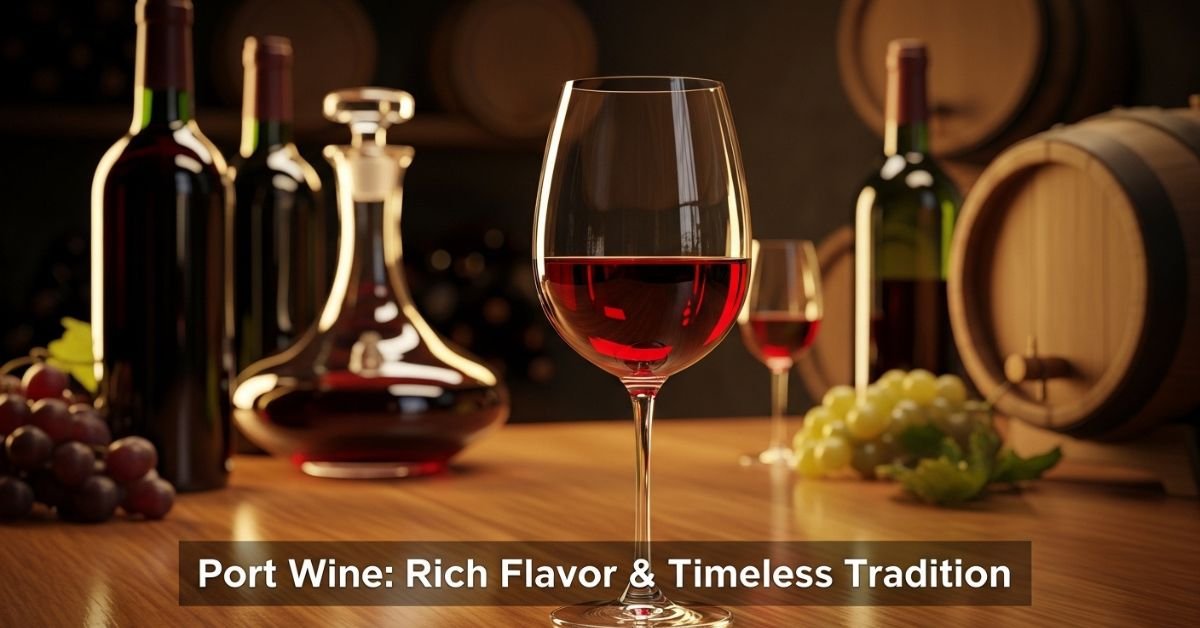
Port (vinho do Porto) is a fortified wine meaning winemakers stop fermentation early by adding a neutral grape spirit (aguardente, basically brandy at about 77% ABV). This locks in natural grape sugars and bumps the alcohol up to 19–22%. A rich, intense wine that ages beautifully, travels well, and delivers layered flavors of dark fruit, spice, nuts, caramel, and chocolate. It comes in red, white, and even rosé, though ruby-toned reds still dominate.Real port can only be made in the Douro Valley, a UNESCO World Heritage site with over 250,000 acres of classified vineyards. Anything labeled “port” from elsewhere is just borrowing the name.
How Port Wine Is Made: The Fortification Step That Changes Everything
It starts like regular wine. Grapes are crushed (many houses still use traditional lagares shallow stone troughs stomped by foot for gentle extraction). Fermentation begins.
Then comes the magic moment: when the wine reaches about 7–9% alcohol and roughly half the sugar remains, the fortifying spirit is added. Yeast dies, fermentation halts, and you’re left with sweetness plus higher alcohol that preserves the wine for decades.
Aging happens in two worlds wooden casks (for tawnies) or bottle (for vintage). The choice decides everything about color, texture, and flavor.
Why the British Still Own So Much of the Story
The Douro has grown grapes since Roman times, but port as we know it was basically invented in the late 1600s. English merchants, stuck with bad weather and long sea voyages home, started adding brandy to stabilize their Portuguese wine shipments.
By 1703 a treaty slashed taxes on Portuguese wines, and in 1756 the Marquês de Pombal created the world’s first demarcated wine region the Douro to protect quality. British “port shippers” like Taylor, Graham, Sandeman, and Croft built the global reputation that still stands.
Today the big houses blend wines from hundreds of small growers, but single-quinta (estate) ports are giving smaller producers their own spotlight.
The Styles That Actually Matter: Ruby, Tawny, Vintage, and Beyond
Not all port is created equal. Here’s the breakdown that actually helps you buy and drink smarter:
| Style | Color & Age | Flavor Profile | Drink Window | Price Range (750ml) | Best For |
|---|---|---|---|---|---|
| Ruby (Reserve) | Bright red, 2–5 years wood | Fresh berry, chocolate, spice | Now–5 years | $15–30 | Everyday sipping, beginners |
| Tawny (10/20/30/40 Year) | Golden-amber, long wood aging | Nuts, caramel, dried fruit, toffee | Now (ready to drink) | $25–200+ | Cheese boards, solo sipping |
| Colheita | Single-vintage tawny | Complex, oxidative, date & walnut | Now–20+ years | $40–120 | Special occasions |
| Late Bottled Vintage (LBV) | 4–6 years wood, single year | Structured fruit, some sediment | Now–15 years | $25–50 | Value vintage experience |
| Vintage | Deep purple, declared years only | Massive fruit, tannin, age-worthy | 15–50+ years | $80–500+ | Cellaring & gifting |
| White Port | Pale gold | Citrus, almond, sometimes dry | Now–10 years | $15–40 | Aperitif or cocktails |
Pro tip: Vintage ports are only declared in exceptional years (about 3–4 per decade). If the year isn’t printed on the label as “declared vintage,” it’s not true vintage.
The Grapes That Give Port Its Soul
Over 110 varieties are allowed, but five reds rule the roost:
- Touriga Nacional floral, deep color, structure (the “king”)
- Touriga Franca most planted, aromatic, reliable
- Tinta Roriz (Tempranillo) bright fruit and spice
- Tinta Barroca soft, sweet, high altitude star
- Tinta Cão rare but adds elegance and longevity
White ports use varieties like Malvasia and Rabigato. The field-blend tradition (multiple grapes in one vineyard) is still very much alive.
How to Serve Port the Right Way (No More Guessing)
Temperature matters more than people admit:
- Young ruby or LBV: 60–64°F (cool room temp)
- Tawny: 55–58°F (lightly chilled)
- Vintage: 60–64°F, but decant it
Older vintage and crusted ports throw sediment stand the bottle upright for 24 hours, then decant slowly with a light behind the neck so you stop when you see the first cloud. Drink the decanted bottle within 48 hours max.
Use a proper port glass (smaller tulip shape) or even a white wine glass just don’t fill it more than a third.
Myth vs Fact
Myth: All port is sweet and red. Fact: Dry white ports exist, rosé ports are growing, and some tawnies finish almost savory.
Myth: You have to age vintage port forever. Fact: Modern single-quinta and LBV styles are ready much sooner while still delivering complexity.
Myth: Port is only for dessert. Fact: White port makes killer aperitifs and cocktails; tawny shines with cheese or even cigars.
Food Pairings That Actually Work
Ruby loves dark chocolate, berry desserts, or blue cheese. Tawny is magic with aged cheddar, stilton, pecans, dried apricots, or even a slice of fruitcake. White port pairs beautifully with salted almonds, olives, or lighter seafood canapés.
In 2026 bartenders are also mixing younger ruby into Negroni riffs and old tawny into stirred Manhattans the fortified comeback is real.
Insights from the Douro (EEAT)
I’ve walked those terraced vineyards in every season, sat in the cool lodges of Porto with winemakers from the big shippers and tiny family quintas, and tasted verticals that go back decades. The one mistake I see over and over? People treating all port the same. Buy according to style and occasion, store bottles on their side if unopened, and don’t be afraid to chill a tawny. The difference is night and day.
FAQs
What is the difference between ruby and tawny port?
Ruby stays bright red and fruity because it spends less time in wood. Tawny ages longer in small barrels, picking up nutty, caramel notes and that signature golden-amber color. One is youthful and vibrant; the other is smooth and complex.
Does port wine go bad after opening? Ruby and younger styles last 1–2 weeks once open. Well-aged tawny can stretch a month or more in the fridge. Vintage should be enjoyed within a couple of days after decanting.
How do you know if a port is vintage?
Only declared in exceptional years (look for a specific year on the label and the word “Vintage”). Non-vintage ports are blends or LBV.
What temperature should I serve port?
Slightly below room temperature for ruby and vintage (60–64°F). Lightly chilled for tawny (55–58°F). Never ice-cold.
Is port only made in Portugal?
Yes true port must come from the Douro Valley under IVDP rules. Anything else is a fortified wine, not port.
Can I cellar port at home?
Vintage and crusted ports love cool, dark, humid conditions (like a proper wine fridge). Most ruby and tawny are ready to drink on release.
CONCLUSION
The Douro hasn’t changed much in 300 years same schist soils, same river, same stubborn vines. But the wine itself keeps evolving. Premium tawnies and single-quinta vintage are driving value growth even as overall volume softens. New drinkers are finding it in cocktails, food pairings, and shared bottles that turn an ordinary night into something memorable.
CLICK HERE FOR MORE BLOG POSTS

“In a world of instant takes and AI-generated noise, John Authers writes like a human. His words carry weight—not just from knowledge, but from care. Readers don’t come to him for headlines; they come for meaning. He doesn’t just explain what happened—he helps you understand why it matters. That’s what sets him apart.”